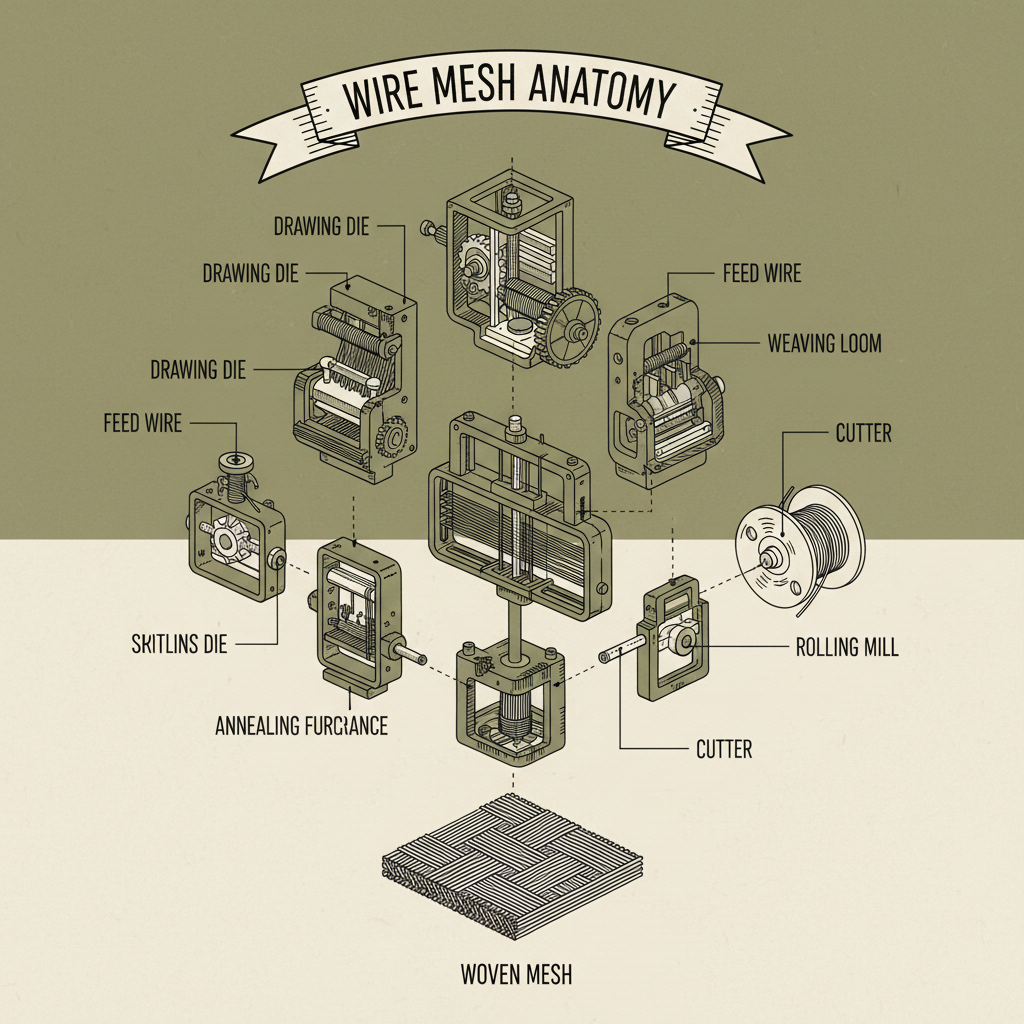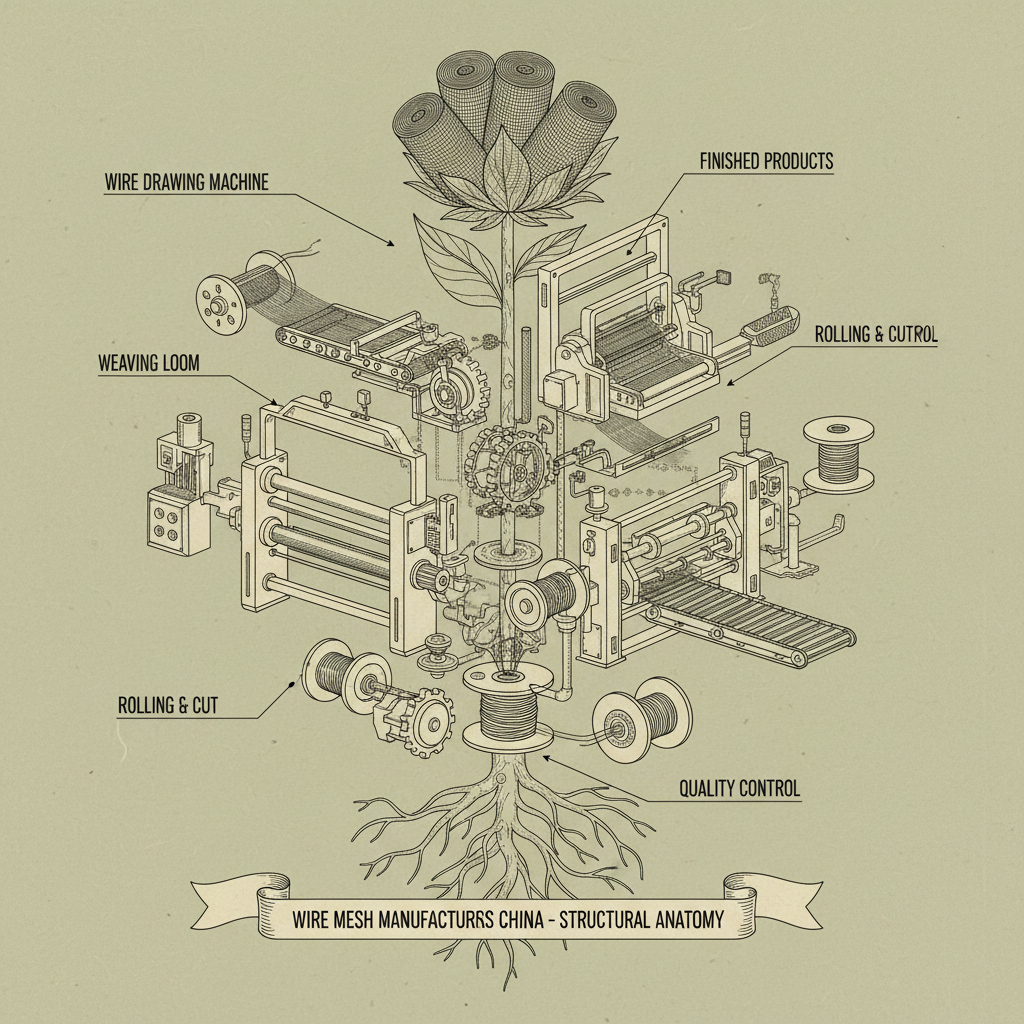
To be honest, lately it's all about prefabrication. Everyone's talking about speed, efficiency… but out on the site, it’s still about getting the details right. I’ve been seeing a lot of companies try to rush things, simplify designs, and then they end up with a nightmare when it comes to installation. Have you noticed that? They think they can just slap things together, but the real world isn't a CAD drawing.
And the interfaces… oh, the interfaces. So many designs look good on paper, but they haven’t considered how a guy in dirty gloves is going to actually use them. Simple things, like the angle of a screw head, or whether the release mechanism is spring-loaded or not. These can make or break a project. I encountered this at a factory in Ningbo last time - beautiful design, but the guys couldn’t get the darn thing to latch properly in the rain.
We’re mostly working with galvanized steel these days, for obvious reasons. It's tough, holds up to the elements… and smells faintly of zinc, which, oddly, I've come to associate with a successful build. Then there’s the high-density polyethylene – it’s become popular for the housings, it’s lightweight and weatherproof. Feels a little… plasticky, if I'm honest, but you get used to it. Handling it feels different to the cold, solid steel. It flexes a lot more. We’ve started using some composite materials too, a kind of fiberglass reinforced polymer, but they’re pricey, and I'm still skeptical about their long-term durability.
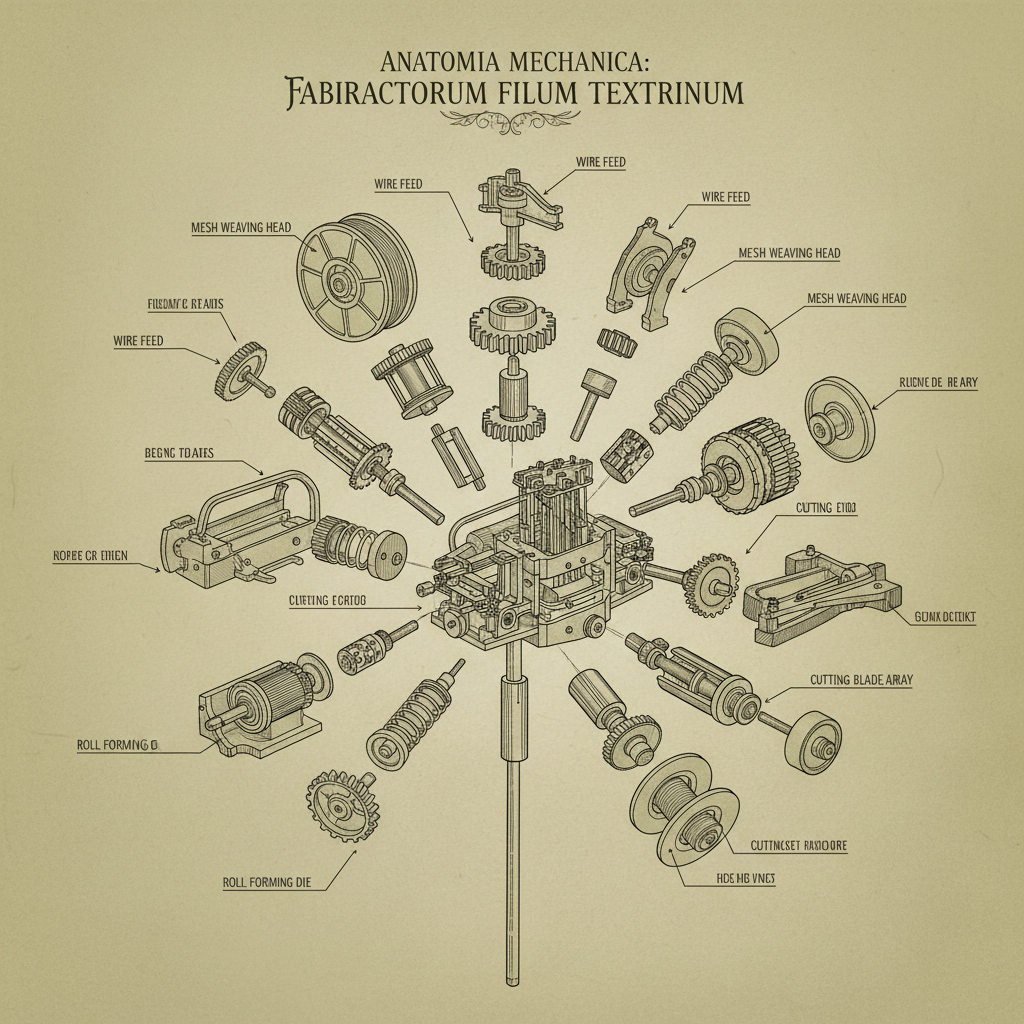
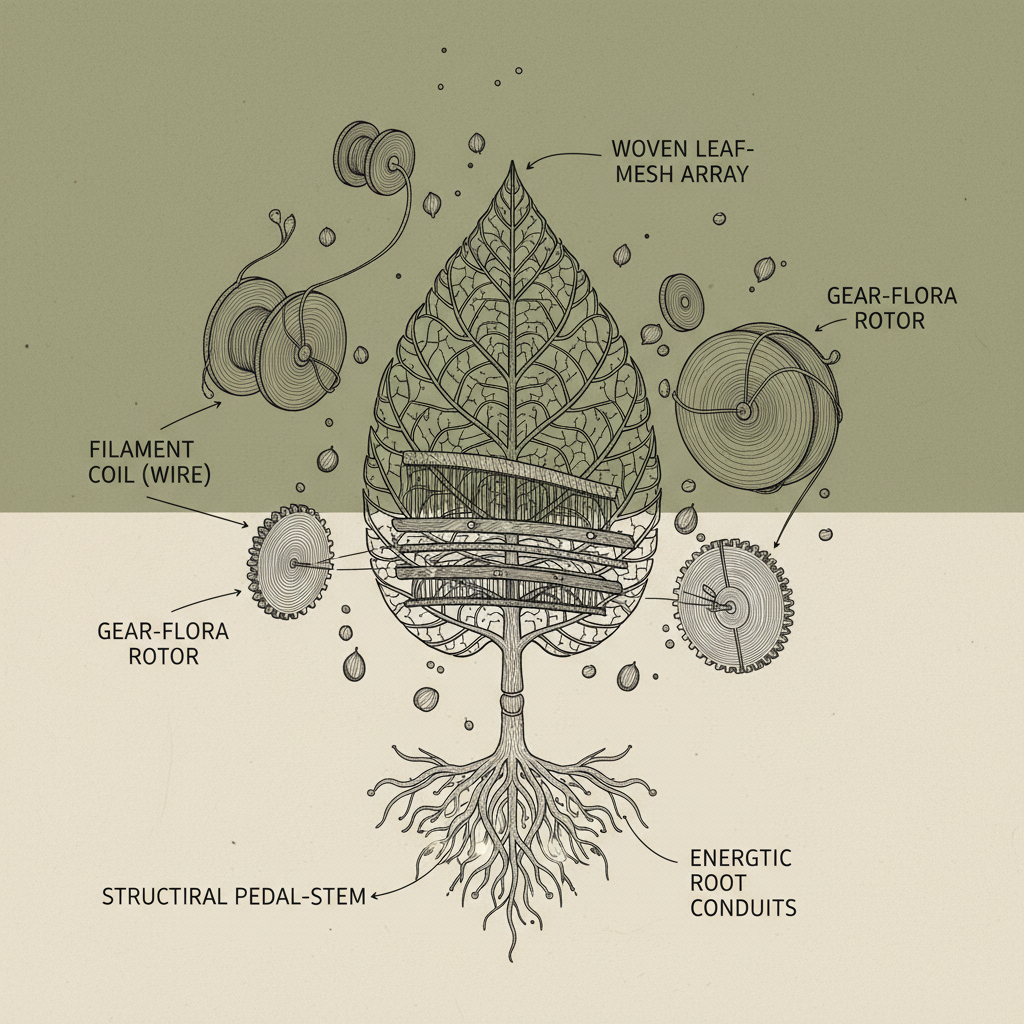
Strangely, the biggest issue isn't the fabrication itself, it's the connection points. Everything needs to slot together seamlessly, and that requires careful thought and precise tolerances. Too often, companies focus on the individual components and forget about the overall system. It leads to delays, rework, and a lot of swearing on site. I swear.
And then there's the issue of scalability. You can build a beautiful prototype in the workshop, but can you manufacture it consistently, at scale, and to the same standard? That's the real test.
Honestly, it's oversimplification. They think they can just cut corners and everything will magically fit together. They forget about the real-world tolerances, the site conditions, and the guys who actually have to assemble the thing. It's always about the details, even more so with prefabrication because you have less room for error. You need to consider everything from the bolt size to the angle of the chamfer. Seriously, everything.
Critically important. You absolutely need to verify that the materials meet the specified standards. It's not enough to just take the supplier's word for it. We require independent testing and certification for all of our steel and HDPE. We’ve had instances where materials didn't meet specifications and it led to costly rework and delays. It's a non-negotiable for us.
That depends on a lot of factors – the materials used, the climate, the maintenance schedule. But generally, you can expect a well-built prefabricated structure to last at least 20-30 years. With proper maintenance, it could easily go longer. Corrosion is the biggest enemy, so regular inspections and protective coatings are essential.
It can be, but not always. The initial cost of the prefabricated components may be higher, but you save on labor, materials waste, and construction time. The real savings come from streamlining the process and reducing the number of on-site complications. But if you’re constantly dealing with fitment issues or material defects, those savings can quickly disappear.
Some can, others not so much. It depends on the design and the connection methods. If it’s designed with disassembly in mind, using bolted connections instead of welding, then yes, it can be relatively easy to take apart and move. But if it’s permanently fixed in place, then you're looking at a much more complex and expensive process.
That's a complicated question. Prefabrication reduces material waste and construction time, which are both good for the environment. But the materials themselves may not be particularly sustainable. We’re seeing more demand for recycled and renewable materials, and we're actively exploring those options. It’s a work in progress, to be honest.
So, what does it all boil down to? Prefabrication is a powerful tool, but it’s not a silver bullet. It requires careful planning, attention to detail, and a healthy dose of realism. You need to understand the limitations of the materials, the challenges of the site, and the needs of the people who will actually be using the structure. It’s about finding the right balance between speed, cost, and quality.
Ultimately, whether this thing works or not, the worker will know the moment he tightens the screw. If it feels right, if it fits snugly, if everything lines up… then you’ve got a good system. If it feels forced, if it’s wobbly, if something just doesn’t seem right… then you’ve got a problem. And you’d better fix it before it causes a bigger headache down the road.

Contact Us
WELCOME TO OUR COMPANY!
Thank you for your interest in our services! If you have any questions or wousld like to book a service, please don’t hesitate to contact us. Our team is dedicated to providing you with the highest level of service and support, and we are committed to working with you to make your event a success.

Service Email

Service Phone
Product Center
Contact Us


.png "E-mail")