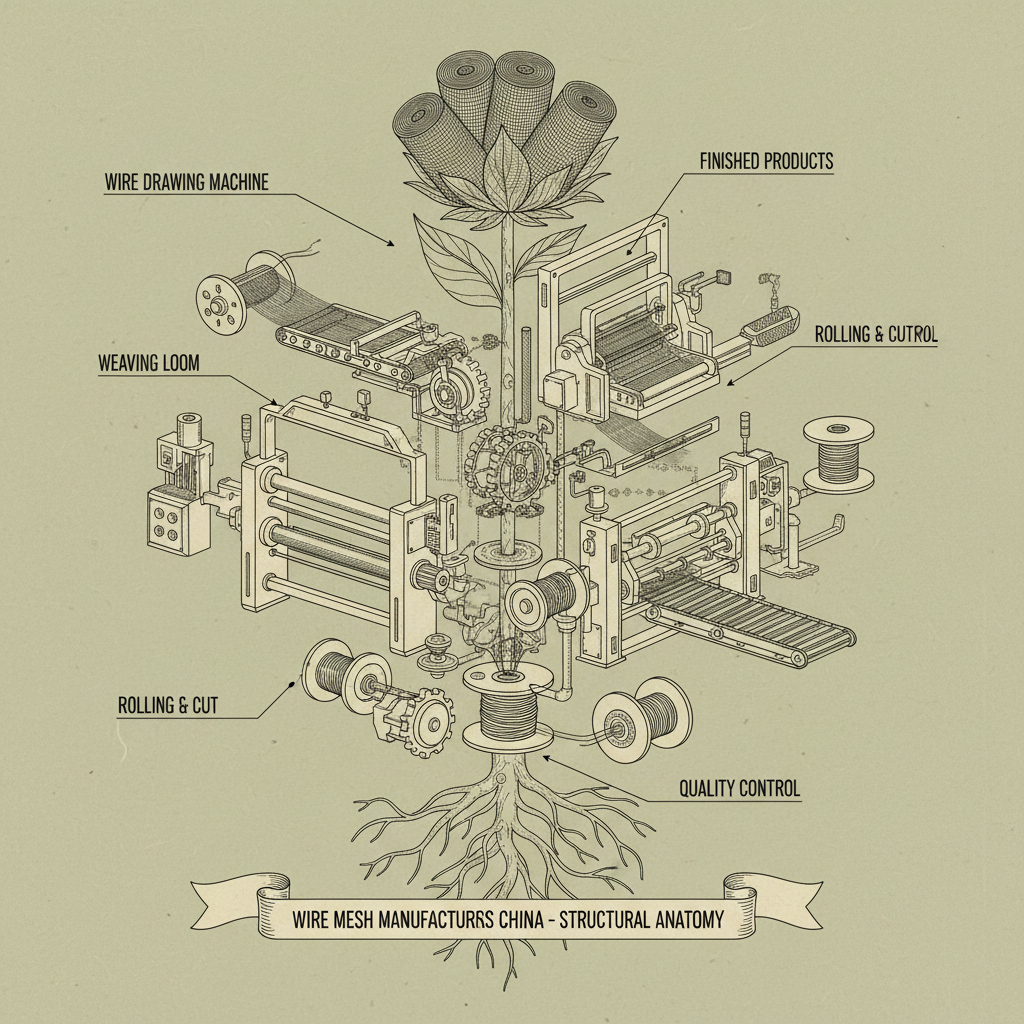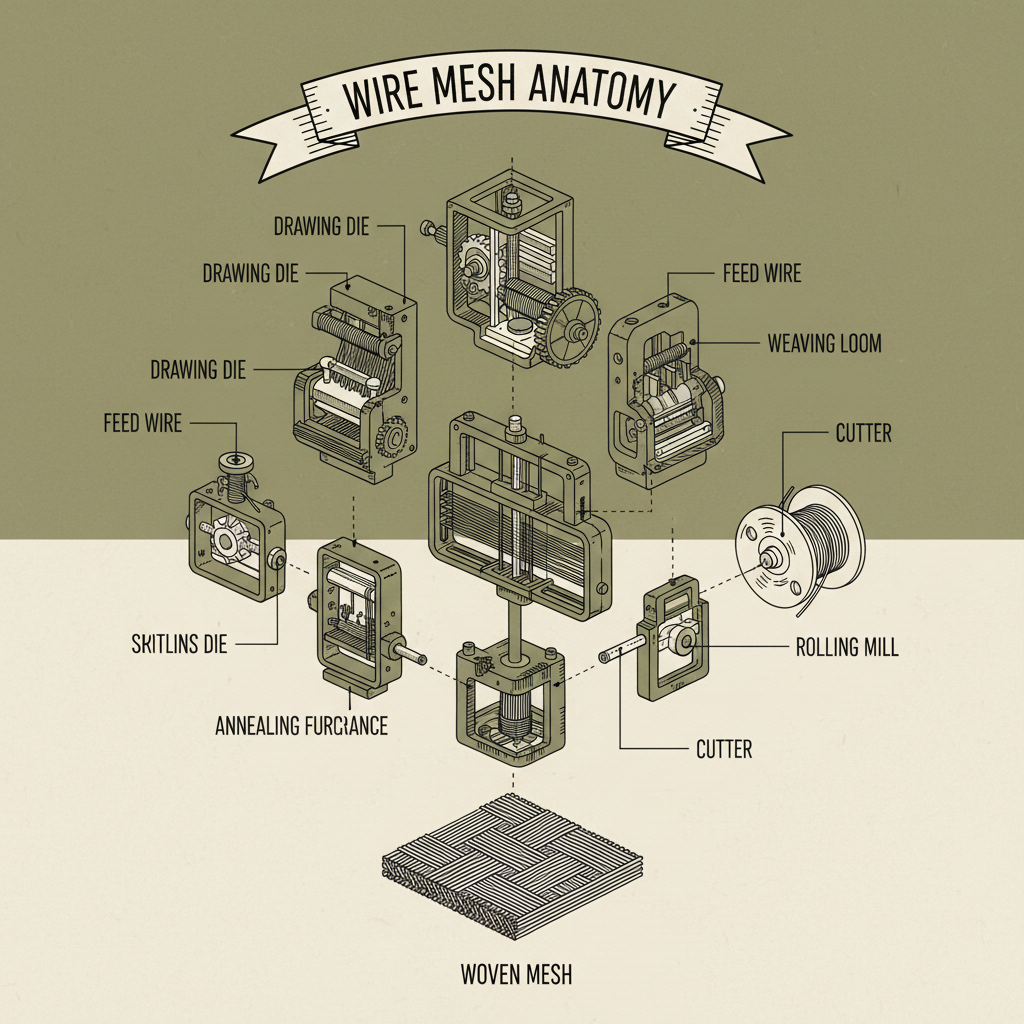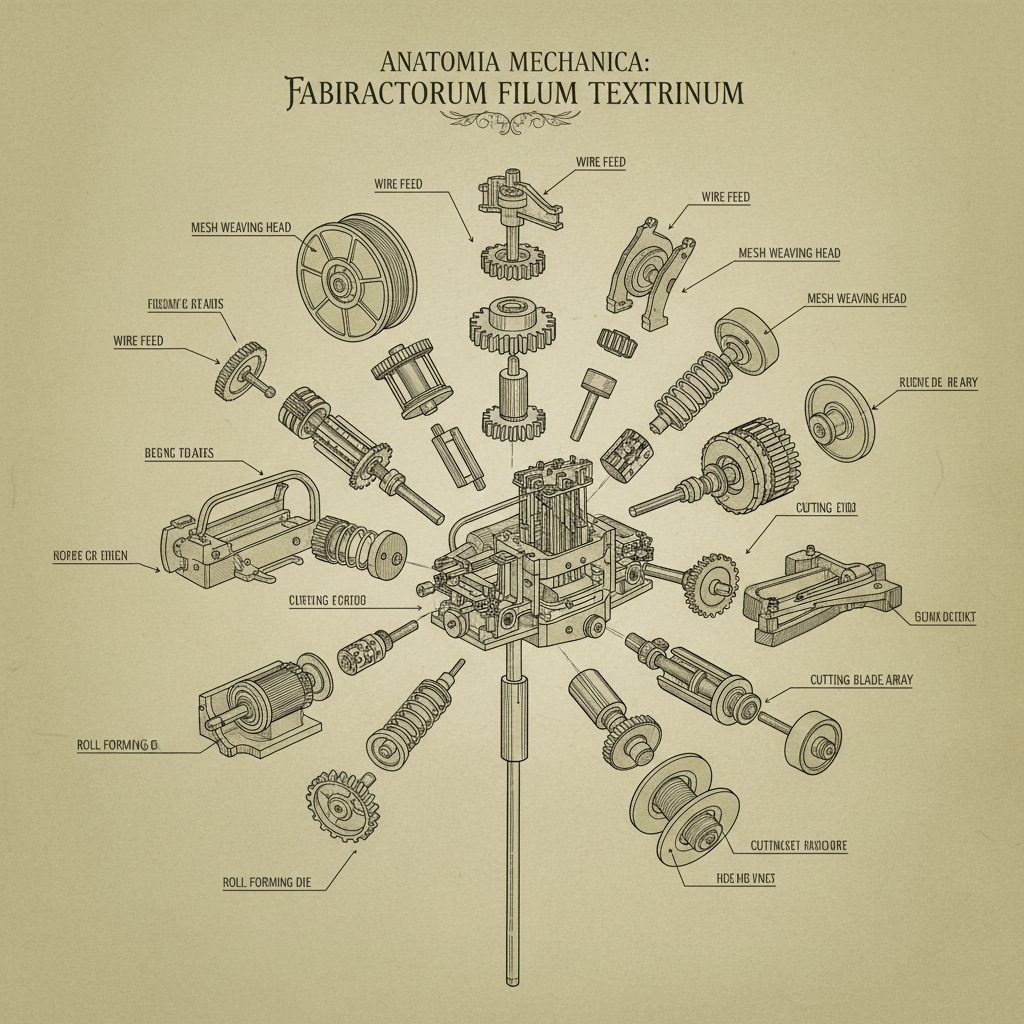
Look, I've been running around construction sites for over a decade, seen all sorts of things. Wire mesh suppliers... it’s not glamorous, believe me. But it’s fundamental. And things are shifting, you know? Everyone’s talking about prefabrication now, modular builds. It’s not just about speed, it’s about quality control. More and more projects are demanding tighter tolerances, more reliable materials. The old days of just grabbing whatever’s cheapest? Those are pretty much over, at least for anything serious.
To be honest, there's a lot of hype, a lot of 'innovation' that doesn't actually translate to the ground. I’ve seen designers specify mesh for something it’s just not suited for – like using a light-gauge welded wire mesh for something that needs serious structural support. They look at the numbers on the datasheet, but they don't feel the material, you know? They haven't wrestled with it on a windy platform.
It’s funny, though, the things that end up mattering. It's not always the specs. Sometimes it’s the little things, like how easily it unrolls, how the cut ends don't fray like crazy. Stuff that doesn’t make it into the engineering reports, but the guys on the ground are cursing about all day.

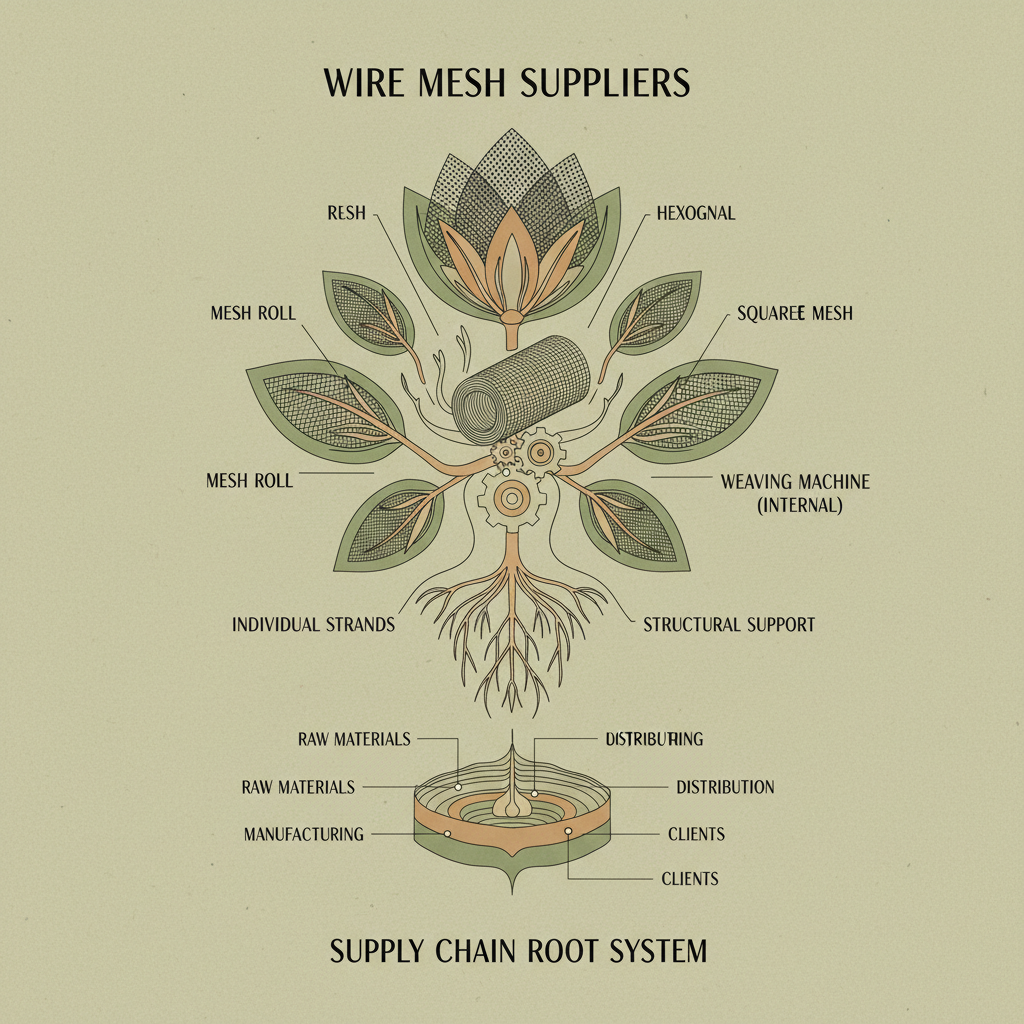
Have you noticed how much more pre-fab is happening? It’s not just for high-rises anymore. Even smaller contractors are looking at panelized systems. And that means the mesh has to be consistent, square, and durable enough to ship and handle without getting completely mangled. It’s a pain when you get a roll that’s warped or has inconsistent openings, because then you’re wasting time trying to make it fit. We're seeing increased demand from wire mesh suppliers who can guarantee flatness and accurate dimensions.
It's a shift, a big one, and it’s putting a lot of pressure on the supply chain.
Honestly? Underestimating the importance of corrosion protection. Especially in areas with saltwater exposure or de-icing salts. They'll go with standard galvanized steel to save a few bucks, and then end up with a structural failure down the road. It’s cheaper to do it right the first time. It really boils down to understanding the environment and selecting the appropriate alloy and coating.
Crucial. It's all about what you're trying to contain or support. Too big, and everything falls through. Too small, and it restricts flow or causes buildup. You need to consider the particle size of the material you’re dealing with, the load it needs to bear, and the desired level of filtration. There are formulas, of course, but a lot of it comes down to experience. And trial and error, unfortunately.
Woven mesh is more flexible and conforms better to irregular shapes. It’s good for screening, filtering, and applications where you need a consistent opening size. Welded mesh is stiffer and provides greater structural support. I usually use welded mesh for reinforcement or security fencing, and woven mesh for lighter-duty applications. But there’s always overlap depending on the specifics of the job.
That's a big one. Always wear gloves and eye protection when handling cut mesh. And the best solution is to use edge banding or wire forming to cover the sharp ends. Some suppliers offer mesh with pre-formed edges, which is a good option. You can also use a deburring tool to smooth the edges down, but it’s time-consuming. Safety first, always.
Yes, steel wire mesh is readily recyclable. Aluminum as well. It’s a good practice to separate it from other construction waste. The environmental impact depends on the manufacturing process and the type of coating used. Galvanizing, for example, involves zinc, which can have environmental concerns if not handled properly. Choosing suppliers with sustainable practices is important.
It varies widely. A simple change in aperture size might take a week or two. A complex custom weave with a specialized coating could take six weeks or more. It depends on the supplier’s capacity, the material availability, and the complexity of the order. Always factor in lead time when planning your project, and get quotes from multiple suppliers.
So, yeah, wire mesh. It’s not sexy, but it’s essential. We’ve talked about the trends – prefabrication, demand for higher quality, the importance of corrosion resistance. We’ve covered the pitfalls – specifying the wrong material, overlooking safety hazards, ignoring real-world testing. And we’ve seen how customization can solve unique problems.
Ultimately, whether this thing works or not, the worker will know the moment he tightens the screw. That’s the truth of it. And if you want to ensure that moment is a good one, you need to pay attention to the details, work with reliable wire mesh suppliers, and remember that sometimes the simplest solutions are the best.

Contact Us
WELCOME TO OUR COMPANY!
Thank you for your interest in our services! If you have any questions or wousld like to book a service, please don’t hesitate to contact us. Our team is dedicated to providing you with the highest level of service and support, and we are committed to working with you to make your event a success.

Service Email

Service Phone
Product Center
Contact Us


.png "E-mail")