

.png "E-mail")

Nov . 29, 2025 05:25 Back to list
How Gratings Price Shapes Industry and Infrastructure Costs Globally
Understanding Gratings Price: Why It Matters In a Global Context
When you think of "gratings," the first image might be those metal grids you step on at work or along sidewalks, but the topic of gratings price runs much deeper — it's a critical factor impacting infrastructure, safety, and industrial efficiency worldwide. Gratings are everywhere, from the drainage systems beneath city streets to platforms in factories, and getting a handle on their price means more than just budgeting; it touches on supply chain logistics, innovation, and even humanitarian aid.
Globally, the exchange and cost of these materials affect sectors like construction, transportation, and public works. Especially in emerging markets, cost efficiency translates directly to the speed and scale of development projects. At its core, knowing about gratings price helps engineers, planners, and decision-makers balance quality and sustainability without breaking the bank.
Global Context: Why Gratings Price Tracks Industrial and Infrastructure Growth
Looking at the big picture, recent World Bank reports reveal that infrastructure investment worldwide must grow by nearly 70% by 2030 to accommodate urban expansion and climate change adaptation. Metal gratings—often made of steel or aluminum—are fundamental components in such projects, used for platforms, drainage covers, and safety barriers. But with commodities like steel fluctuating due to geopolitical tensions and market demand, the price of gratings remains a sensitive variable.
It’s odd but telling: in some regions, increasing gratings price has forced engineers to get creative, either by switching materials or adjusting designs to reduce cost without compromising safety or durability. The ISO standards on metal gratings emphasize this need for that balance. And of course, for organizations tackling disaster relief, speedy access to affordable and reliable gratings can literally mean the difference between chaos and order.
What Exactly is Gratings Price?
In simple terms, the gratings price refers to the cost of procurement or manufacturing of metal or composite grids used in architectural and industrial contexts. It's influenced by raw material cost, manufacturing technology, and design specifications. But there's a broader narrative: the gratings price is an economic indicator that reflects how well supply chains can meet demands—whether in urban construction or rugged industrial applications.
For example, in ports handling heavy cargo or factories with corrosive atmospheres, the need for corrosion-resistant, high-strength gratings commands a different pricing structure compared to basic drainage grates for public parks. In this way, gratings price is a mirror of both industrial sophistication and regional resource availability.
Key Factors That Influence Gratings Price
1. Durability and Material Choices
The type of material vastly shapes cost. Steel gratings are strong but heavier, aluminum is lightweight but pricier, and fiberglass or composite gratings offer corrosion resistance at variable prices. Many engineers say that assessing the environment—chemical exposures, load requirements, and maintenance cycles—is paramount in selecting the right grating that justifies the price.
2. Scalability and Customization
Off-the-shelf gratings might be cheaper, but custom sizes, load tolerances, or specialized coatings can significantly bump up the price. Suppliers who can scale production to meet large infrastructure projects often offer better pricing through economies of scale — a sweet spot between customization and cost-efficiency.
3. Manufacturing Technology
Hot-dip galvanizing, welding techniques, and surface treatments all impact production costs. Newer automated fabrication processes tend to lower unit prices but require upfront investment — that subtly reflects in the gratings price you see.
4. Supply Chain and Logistics
Sometimes, it’s not the material cost but how quickly and reliably gratings get to site that shapes pricing. Timeliness, storage conditions, and local labor costs come into play — especially in remote industrial zones or disaster-hit regions.
Mini Takeaway:
So, the "gratings price" isn’t static; it’s a dance between materials, technology, logistics, and specifications—all of which must be carefully considered to ensure optimal investment.
Global Applications & Use Cases of Gratings
Where do these price considerations actually come into play? Quite a few places:
- Urban infrastructure: Drainage grates, pedestrian walkways, subway platforms in cities like New York or Tokyo require durable, cost-optimized solutions.
- Industrial zones: Factories in Europe or Asia handling corrosive chemicals depend on specially coated gratings.
- Post-disaster relief: Organizations often source affordable, quickly deployable gratings for emergency access roads or temporary shelters.
- Remote locations: Mining camps or oil rigs need lightweight, corrosion-resistant solutions often imported under tight budgets.
A practical example: after the 2015 Nepal earthquake, relief teams prioritized quick installation of certain metal grids to restore infrastructure while managing tight costs—highlighting how the gratings price affects speed and efficiency during crises.
The Advantages and Long-Term Value of Understanding Gratings Pricing
Looking deeper, the benefits of optimizing the gratings price go beyond the immediate bottom line:
- Cost savings: Smarter purchasing leads to budget adherence without sacrificing quality.
- Sustainability: Durable gratings reduce the need for frequent replacement, lowering environmental impact.
- Safety and trust: Products meeting recognized standards reduce accidents and give stakeholders confidence.
- Social impact: Affordable infrastructure components enable communities to thrive, support jobs, and modernize effectively.
It’s funny — in real life, getting the right gratings at the right price feels like a small thing, but it’s a cornerstone of safer cities and stronger industries.
Future Trends & Innovations in Gratings and Their Pricing
The next few years hold promise for further shifts in gratings pricing shaped by:
- Green materials: Increasing use of recycled metals and eco-friendly composites may influence cost but add sustainability benefits.
- Automation & digital fabrication: CNC machining and AI-driven quality controls can reduce wastage and production costs.
- Policy changes: Stricter safety and environmental regulations will push some manufacturers to innovate materials and coatings, possibly raising prices but improving long-term value.
- Smart gratings: Embedded sensors to monitor load or corrosion in real-time might soon affect cost structures as these technologies become mainstream.
Challenges in Managing Gratings Price and Innovative Solutions
Despite progress, challenges remain:
- Raw material volatility: Steel prices fluctuate due to global supply shocks; hedging strategies and alternative materials can help.
- Quality compromises: Cheap gratings may fail prematurely—mitigated through stricter quality assurance and certifications.
- Logistical bottlenecks: Delays inflate costs. Using local production hubs or modular designs accelerates delivery.
Manufacturers who focus on integrated supply chain management alongside R&D appear better positioned to handle these hurdles.
FAQs: Practical Insights About Gratings Price
- Q: How does material choice impact the gratings price?
- A: Material fundamentally influences cost — steel tends to be most affordable but heavier; aluminum and composites offer corrosion resistance and lightness at higher prices. Your choice should match usage needs and budget.
- Q: Can bulk ordering reduce gratings price significantly?
- A: Absolutely. Bulk orders allow manufacturers to benefit from economies of scale, often passing savings on to buyers. However, storage and cash flow must be considered to avoid counterproductive surplus.
- Q: Are there eco-friendly options that don’t break the budget?
- A: Emerging recycled metal gratings and fiberglass composites are increasingly cost-competitive and environmentally beneficial, especially over the product lifecycle.
- Q: How can I ensure quality without overspending?
- A: Look for vendors compliant with ISO and ASTM standards, request certifications, and consider third-party testing to balance cost with reliability.
- Q: What affects gratings price most in remote installations?
- A: Logistics and handling costs often dominate the price element there. Using lightweight materials or modular pieces made locally can reduce those expenses.
Product Specification Table: Typical Steel Gratings
| Parameter | Value |
|---|---|
| Material | Carbon Steel (Hot-Dip Galvanized) |
| Maximum Load | 5000 kg/m² |
| Standard Dimensions | 1000×500 mm (custom sizes available) |
| Coating | Hot-Dip Galvanizing (minimum 80 microns thickness) |
| Service Life | 20+ years (depending on environment) |
| Typical Gratings Price Range | $15 - $35 per square meter |
Vendor Comparison Table: Leading Gratings Suppliers
| Supplier | Price Range (per m²) |
Material Options | Lead Time | Customization |
|---|---|---|---|---|
| Chengsen Mesh | $18 - $30 | Steel, Aluminum, Fiberglass | 2-4 weeks | High |
| Global Grating Co. | $15 - $28 | Steel, Composite | 3-5 weeks | Medium |
| EcoGrate Solutions | $20 - $35 | Fiberglass, Recycled Materials | 4-6 weeks | Low |
Conclusion: The Long-Term Value in Knowing Gratings Price
To wrap it up — understanding the nuances behind gratings price offers much more than budget clarity. It reflects a company’s or community’s capacity to plan wisely, adapt to material realities, and build smarter, safer, and more sustainable environments. Whether you're specifying thousands of square meters for an industrial complex or simply choosing drainage gratings for a park, being informed saves time, money, and headaches.
If you want a deep dive into practical and competitive pricing plus high-quality products, check out Chengsen Mesh. Their expertise and range speak to the evolving needs of the global market.
References & Further Reading:
Latest News
-
Comprehensive Guide to Drywall Metal Corner Bead Installation and Benefits
NewsJan.27,2026
-
Comprehensive Guide to Drywall L Trim Installation and Material Selection
NewsJan.27,2026
-
Drywall Corner Bead Clincher — Essential Tool for Durable Corners
NewsJan.07,2026
-
Durable Drywall Control Joint Beads for Crack Prevention
NewsJan.07,2026
-
Drywall Bullnose Corner Radius: Industry Insights & Product Specs
NewsJan.06,2026
-
Durable Drywall Angle Beads for Construction | Chengsen Mesh
NewsJan.06,2026
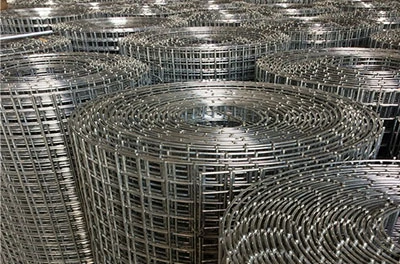
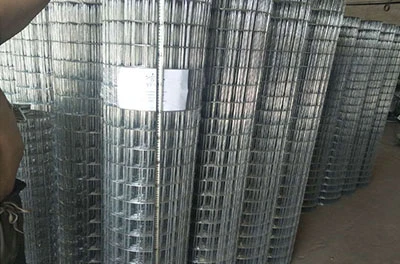
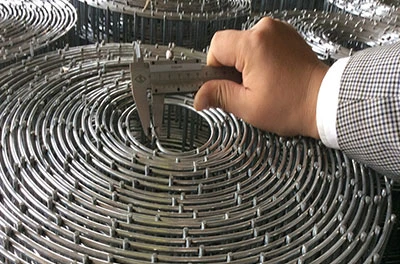
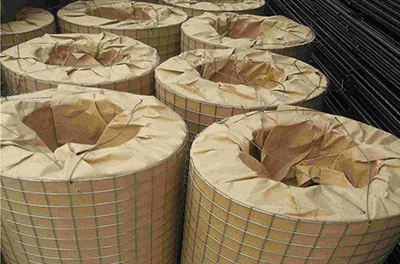
Our company owns has excellent CAD steel grating drawing designers, who can provide customers with perfect steel grating layout design and better meet customers' special requirements for products. We have been adhering to it the business tenet of "quality first, customer first", with high-quality products, reasonable prices, and the fastest delivery time, we wholeheartedly provide customers with a full range of services! Welcome new and old customers to cooperate sincerely and create brilliance together!
Contact Us
WELCOME TO OUR COMPANY!
Thank you for your interest in our services! If you have any questions or wousld like to book a service, please don’t hesitate to contact us. Our team is dedicated to providing you with the highest level of service and support, and we are committed to working with you to make your event a success.

Service Email

Service Phone
Product Center
Contact Us
- Phone: +86 +86 15733154345
- E-mail: sales@chengsenchina.com
- Address: B1213 GLOBAL CENTER, NO.226 ZHONGHUA NORTH STREET, SHIJIAHUANG, CHINA


