

.png "E-mail")

Jan . 27, 2026 19:45 Back to list
Comprehensive Guide to Drywall L Trim Installation and Material Selection
Drywall L Trim: A Comprehensive Guide
When embarking on a construction or renovation project, the finishing touches often make the biggest difference. Drywall L trim plays a crucial role in providing a clean, professional look while protecting edges and corners. This article will delve into the world of drywall L trim, covering its uses, materials, installation, and benefits. Whether you're a seasoned contractor or a DIY enthusiast, understanding drywall L trim is essential for achieving high-quality results. Properly installed trim not only enhances aesthetics but also adds durability to your drywall finishes.
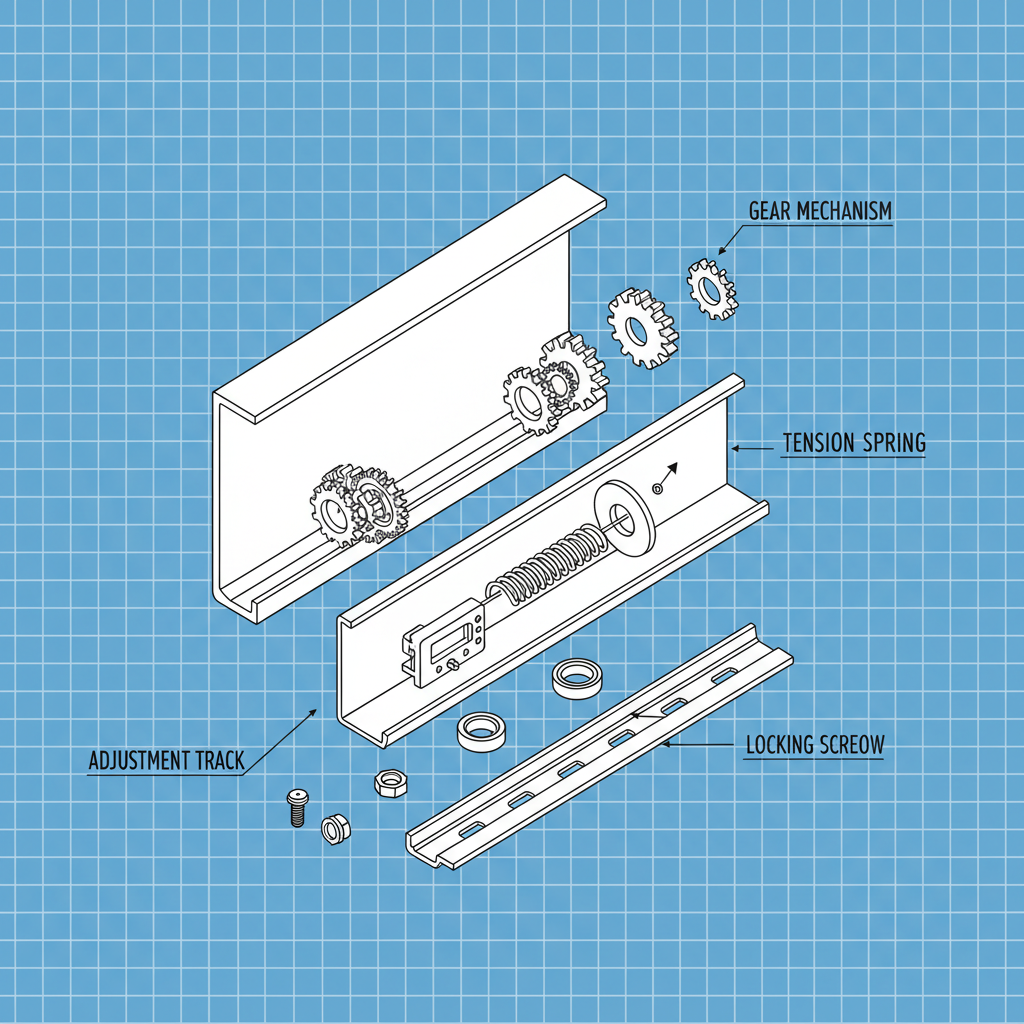
What is Drywall L Trim and Why Use It?
Drywall L trim, also known as metal corner bead or edge trim, is a protective strip applied to the edges of drywall to prevent chipping, cracking, and general wear and tear. Its ‘L’ shape allows it to be embedded into the drywall joint compound, creating a durable and visually appealing finish. Using drywall L trim is particularly important in high-traffic areas, corners, and along edges that are prone to impact. Without it, drywall edges can quickly become damaged, requiring costly repairs. It's a small investment that provides long-term protection and a polished appearance.
Common Materials Used for Drywall L Trim
Drywall L trim is available in various materials, each with its own advantages and disadvantages. The most common materials include:
- Metal (Galvanized Steel): This is the most traditional and widely used material. It’s strong, durable, and relatively inexpensive. However, it can rust if exposed to moisture.
- Vinyl: Vinyl trim is lightweight, rust-proof, and easy to work with. It’s a good option for areas prone to humidity. However, it may not be as durable as metal.
- Paper-Faced Metal: This combines the strength of metal with the ease of application of paper. The paper helps the trim bond with the drywall compound.
The best material will depend on the specific application and environmental conditions.
Key Highlights: Choosing the right material is crucial for durability and a clean finish. Consider moisture levels and the amount of traffic the area receives.
Comparing Drywall L Trim Materials: A Side-by-Side Look
To help you decide which material is best for your project, here’s a comparison table:
Installation Techniques for Drywall L Trim
Proper installation is critical for the effectiveness of drywall L trim. Here’s a basic overview of the process:
- Apply Adhesive: Apply a thin layer of drywall adhesive to the back of the trim.
- Position and Press: Carefully position the trim along the edge or corner of the drywall and press firmly to ensure good contact.
- Embed in Joint Compound: Apply several coats of drywall joint compound over the trim, feathering the edges to create a smooth transition.
- Sand Smooth: Once the joint compound is dry, sand the area smooth to blend seamlessly with the surrounding drywall.
Always follow the manufacturer’s instructions for the specific trim you are using. Using the right tools and techniques will result in a professional-looking finish.
Benefits of Using High-Quality Drywall L Trim from Chengsenmesh
Choosing Chengsenmesh for your drywall L trim needs offers several key benefits. Our trim is manufactured to the highest standards, ensuring durability, consistency, and ease of installation. We provide a wide range of materials and sizes to suit various project requirements. Furthermore, our commitment to customer service means you’ll receive expert support throughout your project. Investing in quality trim saves you time and money in the long run by reducing the need for repairs and ensuring a lasting, professional finish.
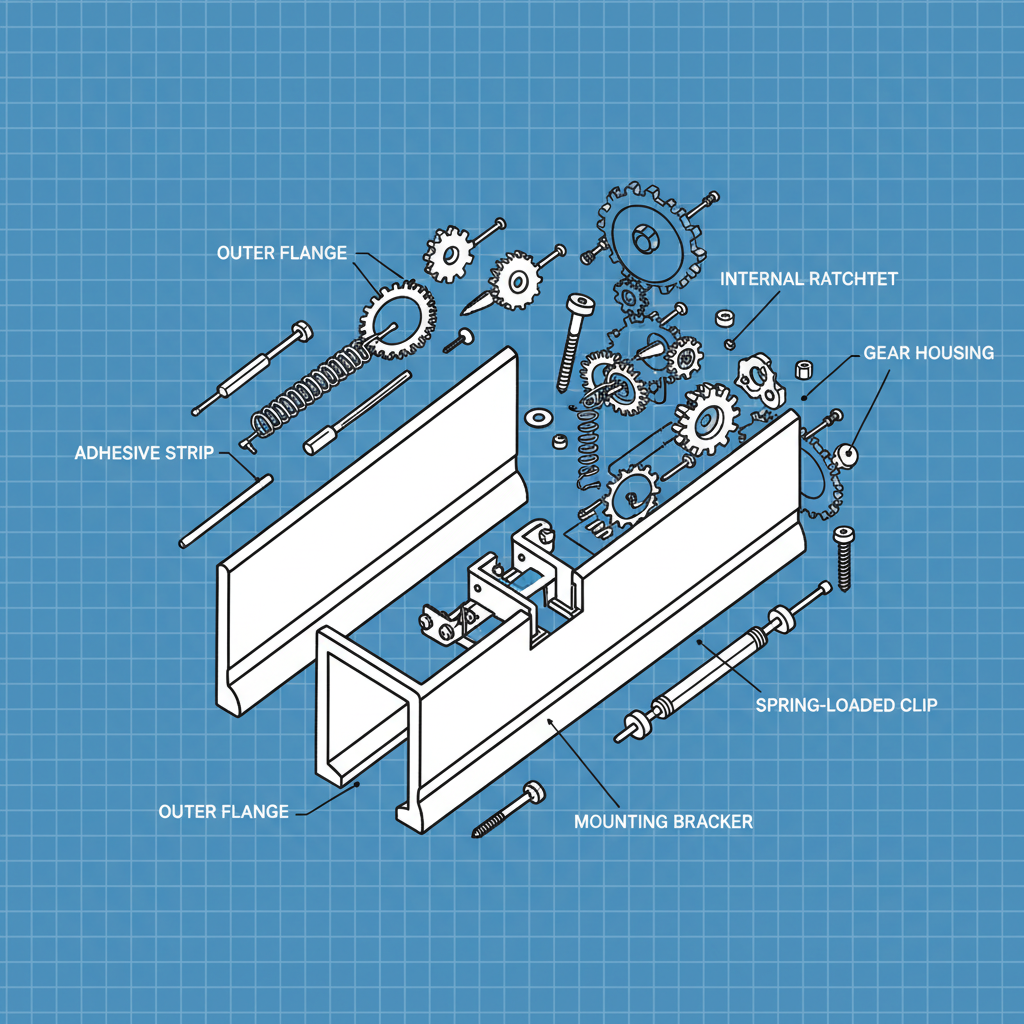
Conclusion: Enhance Your Drywall Projects with Chengsenmesh
Drywall L trim is a vital component of any successful drywall project. By understanding the different materials, installation techniques, and benefits of choosing a reputable supplier like Chengsenmesh, you can achieve a professional, durable, and aesthetically pleasing finish. Don't compromise on quality – invest in the best for lasting results.
Frequently Asked Questions (FAQs)
What length of drywall L trim is typically available?
Drywall L trim is commonly available in lengths of 8, 10, and 12 feet. However, Chengsenmesh offers customized lengths to meet the specific requirements of your project. Choosing the appropriate length minimizes waste and ensures a seamless installation. We also supply in bulk for larger construction projects to ensure consistent supply and cost-effectiveness.
Can drywall L trim be used on curved surfaces?
While standard drywall L trim is designed for straight edges and corners, flexible metal corner bead is available for curved surfaces. This type of trim is more pliable and can be bent to follow the contour of the curve. It’s important to use the correct type of trim for the application to ensure a secure and professional finish. Chengsenmesh offers a variety of flexible corner bead options to suit your project needs.
How do I prevent rust on metal drywall L trim?
To prevent rust on metal drywall L trim, especially in damp environments, consider using paper-faced metal trim, which provides a protective layer. Additionally, ensure the surrounding area is thoroughly dry before applying the trim. Applying a rust-inhibiting primer to the metal before embedding it in joint compound can also help. For long-term protection, choose galvanized steel with a higher zinc coating. Check out Chengsenmesh's selection of rust-resistant options.
What is the best way to sand drywall L trim after applying joint compound?
Use a sanding sponge or a sanding block with 120-grit sandpaper to gently sand the joint compound around the drywall L trim. Avoid applying excessive pressure, as this can damage the trim or create uneven surfaces. Sand in a circular motion to blend the compound seamlessly with the trim and surrounding drywall. Always wear a dust mask and eye protection during sanding.
Latest News
-
Comprehensive Guide to Drywall Metal Corner Bead Installation and Benefits
NewsJan.27,2026
-
Drywall Corner Bead Clincher — Essential Tool for Durable Corners
NewsJan.07,2026
-
Durable Drywall Control Joint Beads for Crack Prevention
NewsJan.07,2026
-
Drywall Bullnose Corner Radius: Industry Insights & Product Specs
NewsJan.06,2026
-
Durable Drywall Angle Beads for Construction | Chengsen Mesh
NewsJan.06,2026
Our company owns has excellent CAD steel grating drawing designers, who can provide customers with perfect steel grating layout design and better meet customers' special requirements for products. We have been adhering to it the business tenet of "quality first, customer first", with high-quality products, reasonable prices, and the fastest delivery time, we wholeheartedly provide customers with a full range of services! Welcome new and old customers to cooperate sincerely and create brilliance together!
Contact Us
WELCOME TO OUR COMPANY!
Thank you for your interest in our services! If you have any questions or wousld like to book a service, please don’t hesitate to contact us. Our team is dedicated to providing you with the highest level of service and support, and we are committed to working with you to make your event a success.

Service Email

Service Phone
Product Center
Contact Us
- Phone: +86 +86 15733154345
- E-mail: sales@chengsenchina.com
- Address: B1213 GLOBAL CENTER, NO.226 ZHONGHUA NORTH STREET, SHIJIAHUANG, CHINA


