

.png "E-mail")

Nov . 29, 2025 10:15 Back to list
Comprehensive Guide to Bar Grating Cost: Factors, Trends, and Vendor Comparison
Understanding Bar Grating Cost: Why It Matters Across Industries
Bar grating cost might sound like a dry subject, but trust me, it’s anything but trivial if you’re involved in construction, industrial flooring, or infrastructure projects. Whether you're managing a manufacturing plant in Germany, setting up walkways in remote mining sites in Australia, or even designing drainage systems in East Africa, understanding how bar grating cost works globally can save time, money, and headaches.
Bar grating isn’t just a steel mesh laid randomly for foot traffic—it's a key infrastructure element. And knowing its cost drivers touches on everything from materials sourcing to environmental impact. Plus, with ongoing concerns about sustainability and budgets tightening everywhere, knowing the quirks of bar grating pricing isn’t just prudence; it’s a competitive edge. So let’s dig in, shall we?
Global Context: Why Bar Grating Cost Is on the World Stage
According to the World Steel Association, global steel production hit roughly 1.9 billion metric tons in 2023. A significant chunk feeds into industrial components, including bar gratings. Demand spikes in infrastructure-heavy economies, like China and India, but also in developed markets focused on rebuilding and upgrading aging systems.
However, pricing isn’t uniform—local material costs, shipping fees, labor expenses, and standards compliance all push numbers around. For example, the International Organization for Standardization (ISO) sets benchmarks for steel quality that affect cost significantly.
Given that many developing regions rely heavily on durable and affordable bar gratings for humanitarian construction efforts or disaster relief infrastructure—where speed and budget matter—the cost question isn’t just commercial, it’s somewhat of a social imperative.
Mini takeaway:
- The cost of bar grating is influenced by global steel production and local economic conditions.
- Bar grating is vital for infrastructure in both advanced and developing markets.
- Understanding cost factors helps stakeholders make smarter, more sustainable choices.
What Does Bar Grating Cost Actually Mean?
When people talk about “bar grating cost,” they’re referring to the total expense involved in purchasing and installing bar grates — those sturdy, often metal mesh panels used for walkways, platforms, stairs, and drainage covers. It breaks down into raw material cost (most commonly steel), fabrication, finishing (like galvanizing or painting), transportation, and installation fees.
Put simply, it’s the price tag for robustness and safety. Bar grating’s role is prominent in places demanding durability, high load-bearing capacity, and slip resistance.
Interestingly, the term also echoes a wider industrial trend — balancing upfront investment with long-term durability and maintenance savings, particularly in sectors like manufacturing, civil engineering, and even humanitarian relief setups.
Key Factors Affecting Bar Grating Cost
1. Material Type and Quality
Steel is king here: carbon steel, stainless steel, or aluminum are your main options. Stainless is pricier but better for corrosive environments. It feels like a no-brainer for marine or chemical plants but adds up on the bill.
2. Manufacturing Process
Whether the grating is welded, press-locked, or riveted influences cost. Welding tends to be more robust but also more expensive. Oddly enough, some engineers swear by press-locked for certain applications because it strikes a middle ground on price and strength.
3. Finishing and Coatings
Galvanizing is the go-to. It can double the lifespan in harsh environments but adds roughly 15-30% to the base cost. Powder coating or painting are alternatives but less durable in industrial settings.
4. Size and Dimensions
Larger panels reduce installation time but might increase handling and shipping expenses. Meanwhile, smaller sizes let you tailor fit complex spaces but will increase assembly hours and hardware costs.
5. Transportation and Logistics
Heavy steel components often attract steep freight charges, especially for remote or international deliveries. Sourcing locally can sometimes save you more than a few bucks, but the trade-off might be a compromise on grade or finish.
6. Installation Complexity
Access to site, required mounting hardware, labor rates — all directly influence the bottom line. Odd angles, custom fittings or integration with existing structures mean the cost creeps up quickly.
Mini takeaway:
- Material, fabrication method, and finishing are top cost drivers.
- Logistics and installation can make or break project budgets.
- Each factor needs balancing for best overall value, not just lowest upfront price.
Real-World Applications of Bar Grating Cost Considerations
Industries from construction to mining, transportation to wastewater management rely heavily on bar grating solutions. In Northern Europe, for example, metro systems use galvanized steel gratings to ensure safety and prevent corrosion in damp underground stations.
In post-disaster relief operations, fast deployment of durable walkways using affordable yet strong bar grating can mean the difference between smooth logistics and operational bottlenecks. Some NGOs have started partnering with manufacturers licensed to produce region-specific gratings to slash costs without compromising quality.
Mining operations in South America use reinforced steel gratings in processing plants, where abrasion resistance is a must. They carefully evaluate bar grating cost versus lifespan — as replacements in such harsh environments aren't cheap or quick.
Mini takeaway:
- Different regions and industries prioritize attributes that directly impact overall cost-effectiveness.
- Bar grating cost is a practical concern in humanitarian aid as well as heavy industry.
- Real-world adoption emphasizes safety, durability, and localized manufacturing to keep costs manageable.
Advantages and Long-Term Value of Paying Attention to Bar Grating Cost
Spending wisely upfront means fewer surprises later. I noticed in a recent plant upgrade project that teams who factored in lifecycle costs — maintenance frequency, corrosion resistance, and panel replacement pricing — saved roughly 20% over five years versus those who picked cheapest panels initially.
The emotional angle is important here, too: reliable bar grating means trust and safety for workers navigating elevated walkways or hazardous zones. It impacts morale and productivity. Plus, greener finishes or recycled steel options feed into corporate sustainability goals.
Product Specification Table
| Specification | Standard Model | Premium Model |
|---|---|---|
| Material | Carbon Steel | Stainless Steel 304 |
| Manufacturing | Press-Locked | Welded |
| Finish | Hot-Dip Galvanized | Hot-Dip Galvanized + Powder Coat |
| Panel Size | 1000mm x 3000mm | 1200mm x 3500mm |
| Load Capacity | 500 kg/m² | 800 kg/m² |
Vendor Comparison: Navigating Bar Grating Cost Across Suppliers
| Vendor | Price per m² | Material Options | Lead Time | Delivery Regions |
|---|---|---|---|---|
| Chengsen Mesh Co. | $45 | Carbon, Stainless Steel | 3-5 weeks | Global |
| Euromesh Ltd. | $48 | Carbon Steel Only | 4-6 weeks | Europe, Asia |
| SteelGrid Inc. | $42 | Aluminum, Carbon Steel | 2-4 weeks | North America |
Future Trends: What’s Next for Bar Grating Cost?
Looking ahead, several shifts are reshaping bar grating cost and procurement. The rise of green steel—produced with reduced carbon emissions—is a game changer. Though green steel currently carries a premium, many expect it to level out as regulations tighten worldwide.
Digital transformation is also touching the industry. 3D scanning and custom fabrication ensure minimal waste and perfect fits, which cut installation time and reduce returns.
Automation in manufacturing improves consistency and reduces labor costs, potentially bringing prices down. Plus, there’s growing momentum behind modular design principles, allowing easier repairs and part-swapping — which is a bit like designing for “grate longevity.”
Challenges & How to Tackle Them
One of the biggest headaches with bar grating cost is volatility in raw steel prices. Global trade tensions or supply chain disruptions can cause wild swings. Mitigating this requires flexible supplier relationships and possibly local sourcing partnerships — which some companies, including Chengsen Mesh, have perfected.
Another challenge is balancing load capacity and corrosion resistance without breaking budgets. Composite materials or coatings sometimes help but increase complexity.
Frequently Asked Questions About Bar Grating Cost
- How do different materials affect the overall cost of bar grating?
- Carbon steel is usually the most affordable option but is prone to rust without protective coatings. Stainless steel costs more upfront but reduces maintenance. Aluminum is lightweight but less durable. So, depending on your environment and longevity needs, material choice heavily impacts total cost.
- Are there cost benefits to buying bar gratings in bulk?
- Absolutely. Bulk orders typically lower the price per square meter due to economies of scale in production and shipping. However, storage and handling costs should be considered to avoid unexpected expenses.
- What finishing options are best for long-term cost savings?
- Hot-dip galvanizing is generally the best balance of durability and cost, especially outdoors or in humid conditions. Powder coating adds aesthetic value and additional corrosion protection but increases upfront costs.
- How can companies reduce bar grating installation costs?
- Standardized panel sizes and local fabrication help reduce installation complexity. Additionally, choosing vendor partners with quick lead times and reliable delivery — like Chengsen Mesh — can trim on-site delays and labor expenses.
Conclusion: Why Smart Investment in Bar Grating Cost Pays Off
Bar grating cost is more than just a number on a quote form. It’s a nuanced equation driven by materials, manufacturing, logistics, and purpose. Good decisions around bar grating pricing pay dividends in durability, safety, and sustainability — not to mention peace of mind. If you want to explore tailored options or check costs in detail, head over to our website for trusted, global solutions.
Final thought:
Price tags fade, but solid steel and smart choices last — so it’s worth understanding what shapes bar grating cost today and tomorrow.
References:
Latest News
-
Comprehensive Guide to Drywall Metal Corner Bead Installation and Benefits
NewsJan.27,2026
-
Comprehensive Guide to Drywall L Trim Installation and Material Selection
NewsJan.27,2026
-
Drywall Corner Bead Clincher — Essential Tool for Durable Corners
NewsJan.07,2026
-
Durable Drywall Control Joint Beads for Crack Prevention
NewsJan.07,2026
-
Drywall Bullnose Corner Radius: Industry Insights & Product Specs
NewsJan.06,2026
-
Durable Drywall Angle Beads for Construction | Chengsen Mesh
NewsJan.06,2026
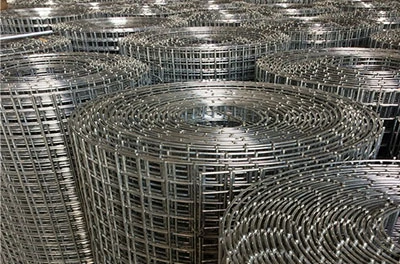
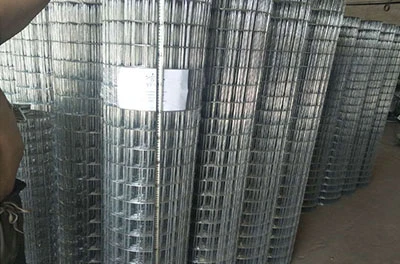
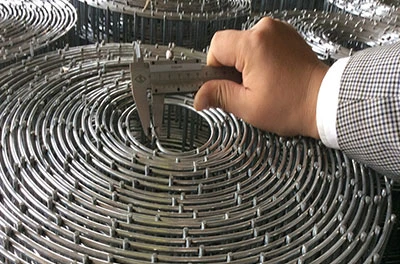
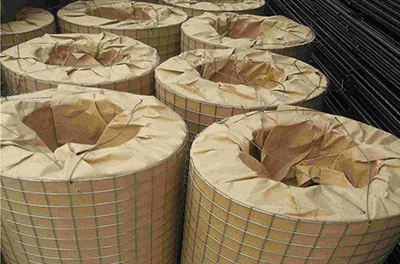
Our company owns has excellent CAD steel grating drawing designers, who can provide customers with perfect steel grating layout design and better meet customers' special requirements for products. We have been adhering to it the business tenet of "quality first, customer first", with high-quality products, reasonable prices, and the fastest delivery time, we wholeheartedly provide customers with a full range of services! Welcome new and old customers to cooperate sincerely and create brilliance together!
Contact Us
WELCOME TO OUR COMPANY!
Thank you for your interest in our services! If you have any questions or wousld like to book a service, please don’t hesitate to contact us. Our team is dedicated to providing you with the highest level of service and support, and we are committed to working with you to make your event a success.

Service Email

Service Phone
Product Center
Contact Us
- Phone: +86 +86 15733154345
- E-mail: sales@chengsenchina.com
- Address: B1213 GLOBAL CENTER, NO.226 ZHONGHUA NORTH STREET, SHIJIAHUANG, CHINA


