

.png "E-mail")

Sep . 01, 2025 14:11 Retour à la liste
Aluminum Grating Installation Guide
Aluminum grating has become an increasingly popular choice for industrial, commercial, and architectural applications due to its exceptional strength-to-weight ratio and corrosion resistance. Known interchangeably as aluminum walkway grating in many international markets, this versatile material offers distinct advantages over traditional steel alternatives, particularly in environments where weight reduction or rust prevention are priorities. The installation of aluminum bar grating requires specific techniques to maximize its performance characteristics while ensuring long-term durability and safety.
Unlike conventional steel grating, caillebotis en aluminium presents unique installation considerations stemming from its material properties. The lower density of aluminum affects everything from handling procedures to fastening methods, while its thermal expansion characteristics demand particular attention in outdoor applications. Aluminum walkway grating installations must account for these factors to prevent common issues like warping, loosening, or galvanic corrosion when connecting to dissimilar metals.This comprehensive guide covers all aspects of aluminum bar grating installation, from pre-installation planning to final inspection.
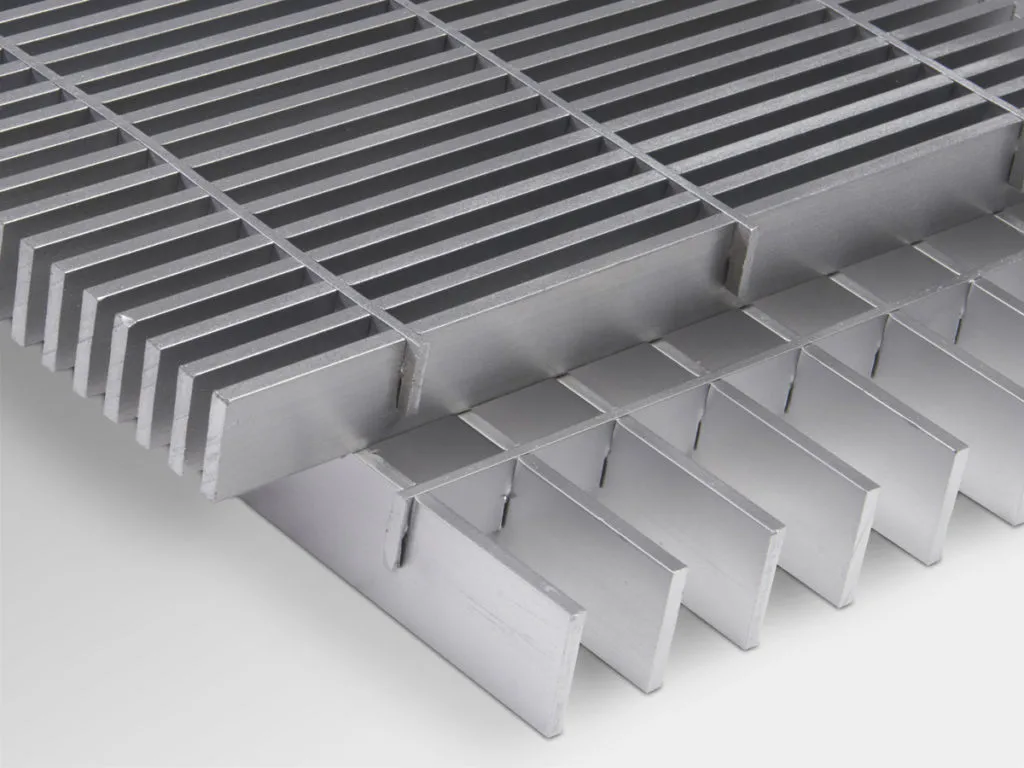
Pre-Installation Planning for Aluminum Grating
Successful caillebotis en aluminium installation begins with thorough planning and preparation long before the first panel is put in place. The lightweight nature of aluminium grating makes it easier to handle than steel alternatives, but this same characteristic requires careful consideration of support spacing and load distribution to prevent excessive deflection under weight.
Key planning steps for aluminum bar grating installations include:
Structural Assessment
Verify support frame integrity and alignment
Check for proper clearance between supports
Confirm load-bearing capacity matches design requirements
Material Verification
Inspect grating for shipping damage
Check panel sizes against installation drawings
Verify alloy type and surface treatment
Environmental Considerations
Account for thermal expansion in outdoor installations
Plan for drainage in wet environments
Consider chemical exposure in industrial settings
For aluminum walkway grating used in corrosive environments, additional precautions include:
Isolation of aluminum from dissimilar metals
Selection of compatible fasteners
Protection of cut edges
Planning for future inspection access
Proper planning also involves gathering the right tools for aluminum bar grating installation, which typically includes:
Non-marring rubber mallets
Aluminum-specific cutting blades
Corrosion-resistant fasteners
Protective coatings for cut edges
Specialized lifting equipment for large panels
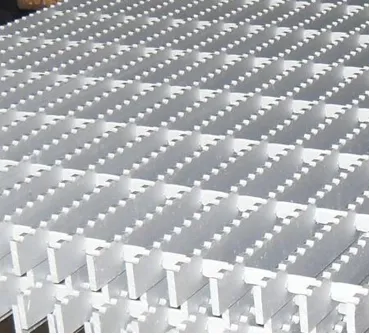
Installation Techniques for Aluminum Bar Grating
The actual installation process for aluminum bar grating requires attention to detail to ensure proper alignment, secure fastening, and long-term performance. Unlike steel grating, aluminium grating demands specific handling techniques to prevent surface damage and maintain its corrosion-resistant properties.
Step-by-step installation guidelines:
Panel Placement
Use soft slings for lifting to prevent surface scratches
Align bearing bars with primary support structure
Maintain equal spacing between panels
Temporary Fixing
Secure panels with clamps before permanent fastening
Check for proper fit and alignment
Verify slip resistance direction if applicable
Permanent Fastening
Pre-drill holes to prevent material distortion
Follow torque specifications to avoid over-tightening
Special considerations for caillebotis en aluminium in different applications:
Industrial Platforms: Focus on load distribution and anti-slip orientation
Pedestrian Walkways: Emphasize smooth edges and surface finish
Marine Applications: Prioritize galvanic isolation and drainage
Architectural Features: Maintain aesthetic alignment and clean lines
For aluminium grating installations requiring field modifications:
Use carbide-tipped blades for clean cuts
Deburr all cut edges thoroughly
Apply touch-up coating to exposed aluminum
Never weld without proper aluminum welding expertise
Aluminum walkway grating:Surface Protection and Touches
After installing aluminum walkway grating, proper finishing techniques ensure long-term performance and maintain the material's inherent corrosion resistance. Unlike steel alternatives that might rely on thick protective coatings, aluminum walkway grating typically uses its natural oxide layer for protection, making proper edge treatment especially important.
Special considerations for aluminum walkway grating in harsh environments:
Apply clear coat protection in coastal areas
Use non-abrasive cleaning methods
Implement regular protective coating renewal
Inspect for galvanic corrosion points
FAQs About Aluminum Grating
What makes aluminum grating installation different from steel grating?
The installation of caillebotis en aluminium differs from steel in several key aspects. The lower weight requires different handling techniques but allows for wider support spacing. Aluminium grating cannot be welded like steel without special equipment and expertise, necessitating mechanical fastening systems. Thermal expansion rates are higher with aluminum, demanding proper accommodation in the installation design. Additionally, aluminum bar grating requires isolation from dissimilar metals to prevent galvanic corrosion, a concern not present with homogeneous steel systems.
How do you prevent corrosion when installing aluminum grating?
Preventing corrosion in caillebotis en aluminium installations involves multiple protective measures. Always use stainless steel or aluminum fasteners to avoid galvanic reactions. Apply touch-up coatings to any field-cut edges immediately after cutting. Install isolation pads where the aluminium grating contacts other metals. Ensure proper drainage to prevent water pooling. For harsh environments, specify anodized or painted aluminum bar grating products and maintain the protective finishes regularly.
What spacing should be used for supports under aluminum grating?
Support spacing for caillebotis en aluminium depends on the specific alloy, bar configuration, and expected loads. Typical spacing ranges from 24 inches for light pedestrian traffic to 12 inches for heavy industrial loads. Always consult the manufacturer's load tables for the particular aluminium grating product being installed. Remember that aluminum bar grating can span further than steel at equivalent weights, but deflection limits rather than strength often govern spacing requirements.
Can aluminum grating be modified on-site during installation?
Aluminum grating can be field-modified with proper techniques. Use carbide-tipped blades for clean cuts and deburr all edges thoroughly. Never use torches or plasma cutters, as these damage the material's heat treatment. For aluminium grating, mark cuts carefully as mistakes are harder to correct than with steel. Always wear proper PPE when cutting or drilling aluminum bar grating, as the chips can be sharp and the dust requires respiratory protection.
How do you account for thermal expansion in aluminum grating installations?
Accommodating thermal expansion is critical for caillebotis en aluminium, which expands nearly twice as much as steel per degree of temperature change. Use slotted holes in clips or brackets to allow movement. Increase panel spacing gaps in hot environments. Orient fasteners to permit sliding where possible. For long runs of aluminium grating, include expansion joints at appropriate intervals. With aluminum bar grating systems, remember that dark colors absorb more heat and thus experience greater expansion than light-colored surfaces.
Proper installation of caillebotis en aluminium requires understanding the unique characteristics of this lightweight but durable material. From careful handling to prevent surface damage to the selection of appropriate fastening systems, each step in the aluminium grating installation process contributes to the long-term performance and safety of the completed assembly. By following manufacturer guidelines and industry best practices, installers can ensure that aluminum bar grating systems deliver their full potential of corrosion resistance, strength, and aesthetic appeal.
Remember that the initial quality of installation directly impacts the lifecycle cost and maintenance requirements of aluminum walkway grating systems.Come and consult us quickly.
Dernières nouvelles
-
3.0mm Galvanized Chain Link Fence-PVC Coated Mesh- Shijiazhuang Chengsen Trading Co., Ltd.
NouvellesMar.17,2026
-
Comprehensive Guide to Finding the Best PVC Corner Bead Supplier
NouvellesFeb.24,2026
-
Comprehensive Guide to Render Corner Bead with Mesh for Durable Corners
NouvellesFeb.11,2026
-
Comprehensive Guide to PVC Tile Corner Beading for Professional Tiling Results
NouvellesJan.30,2026
-
Comprehensive Guide to PVC Corner with Mesh for Enhanced Construction
NouvellesJan.27,2026
-
Pvc Corner Strip: Protecting Your Products & Profits
NouvellesJan.26,2026
Notre entreprise dispose d'excellents concepteurs de plans CAO pour caillebotis en acier, capables de fournir à nos clients des plans d'agencement parfaits et de répondre au mieux à leurs besoins spécifiques. Adhérant à notre principe commercial « qualité avant tout, client avant tout », nous offrons à nos clients une gamme complète de services avec des produits de haute qualité, des prix raisonnables et des délais de livraison rapides ! Nous invitons nos clients, nouveaux comme anciens, à collaborer sincèrement et à créer ensemble un avenir brillant !
Contactez-nous
BIENVENUE DANS NOTRE ENTREPRISE!
Merci de l'intérêt que vous portez à nos services ! Pour toute question ou pour réserver, n'hésitez pas à nous contacter. Notre équipe s'engage à vous offrir un service et une assistance de la plus haute qualité et à collaborer avec vous pour faire de votre événement une réussite.

Courriel de service

Téléphone de service
Lien rapide
Contactez-nous
- Téléphone: +86 +86 15733154345
- E-mail: sales@chengsenchina.com
- Adresse: B1213 GLOBAL CENTER, NO.226 ZHONGHUA NORTH STREET, SHIJIAHUANG, CHINA


