

.png "E-mail")

Sep . 01, 2025 14:15 Retour à la liste
Drainage Trench Cover Safety
Drainage trench cover systems play a critical role in urban infrastructure and industrial facilities, providing safe passage over drainage channels while allowing efficient water flow. These essential components come in various forms, including grille de drainage de tranchée designs and solid steel drainage grates, each offering distinct safety advantages for different environments. Proper understanding of these systems begins with recognizing their fundamental purpose: to protect people and vehicles from open drainage channels while maintaining unimpeded water movement.
Modern couverture de tranchée de drainage solutions must meet rigorous safety standards that address load capacity, slip resistance, and accessibility requirements. The engineering behind these covers involves careful consideration of material strength, opening sizes, and surface textures to prevent accidents and injuries. Industrial facilities typically require heavy-duty steel drainage grates capable of withstanding forklift traffic and substantial static loads, while pedestrian areas might utilize lighter grille de drainage de tranchée options with finer patterns for comfortable walking.
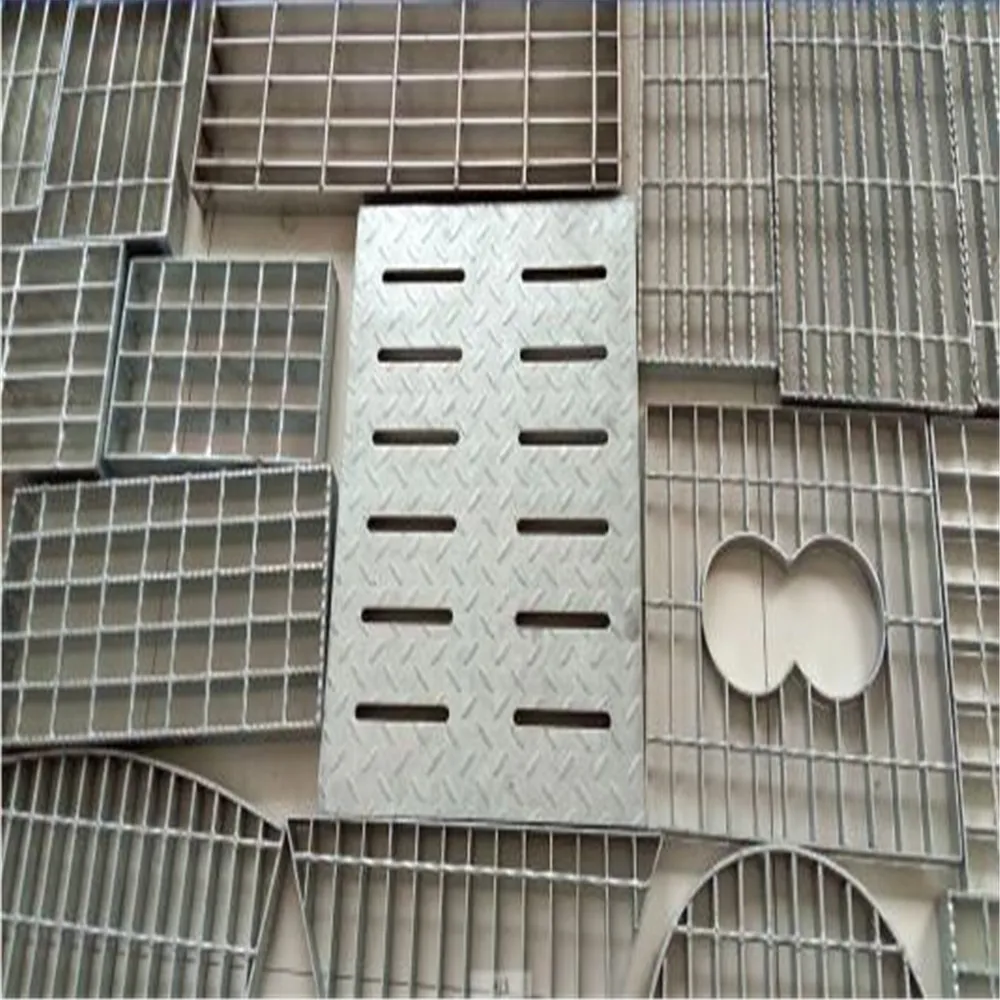
Material Considerations for Trench Drain Grate Safety
The choice of materials for grille de drainage de tranchée systems significantly impacts their safety performance and longevity. Different environments demand specific material properties to maintain structural integrity under various conditions. Steel drainage grates remain popular for heavy industrial applications due to their exceptional strength-to-weight ratio and durability under substantial loads.
Galvanized steel offers excellent corrosion resistance for outdoor grille de drainage de tranchée installations, while stainless steel variants provide superior performance in chemical processing plants or coastal environments. The material thickness and grade must correspond to the expected traffic loads, with thicker gauges required for areas with vehicle traffic or heavy equipment movement.
Cast iron represents another traditional option for grille de drainage de tranchée systems, particularly in heritage districts or where extreme durability is required. The self-lubricating properties of cast iron make it exceptionally wear-resistant, though its weight can complicate installation and maintenance procedures compared to modern steel drainage grates.
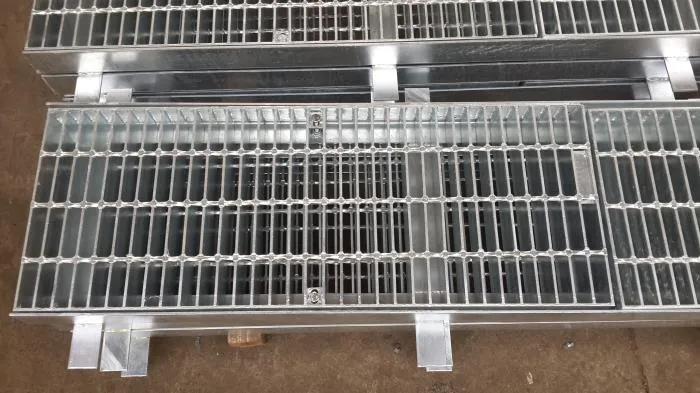
Ratings and Safety of Steel Drainage Grates
The structural integrity of steel drainage grates forms the foundation of their safety performance, with standardized load ratings helping professionals select appropriate products for various applications. These ratings classify couverture de tranchée de drainage systems based on their ability to withstand specific weight concentrations and traffic types.
Proper load rating selection for a grille de drainage de tranchée requires careful analysis of both static and dynamic load scenarios. Facilities must consider not just the weight of vehicles but also impact forces from braking, turning, or dropped loads. Many industrial accidents involving couverture de tranchée de drainage failures result from underestimating these dynamic load factors or improper installation that compromises the rated capacity.
The design of steel drainage grates also affects their load distribution characteristics. Radial bar patterns typically offer superior strength compared to rectangular grids, while the orientation of bearing bars relative to traffic flow can significantly influence performance.
Drainage trench cover:Installation and Maintenance Protocols
Proper installation forms the cornerstone of couverture de tranchée de drainage safety, as even the highest-quality products can fail if incorrectly positioned or secured. The installation process for grille de drainage de tranchée systems varies by material and application but should always follow manufacturer specifications and engineering guidelines.
Critical installation considerations for steel drainage grates include:
Proper support frame preparation and leveling
Correct fastening method (bolts, clips, or gravity-set)
Appropriate sealing to prevent movement or rattling
Alignment with surrounding surfaces to prevent trip hazards
Expansion joint accommodation for temperature variations
Regular maintenance represents another essential component of couverture de tranchée de drainage safety programs. Maintenance schedules should include:
Routine cleaning to prevent clogging
Inspection for cracks, deformation, or wear
Fastener tightness verification
Corrosion protection renewal
Load capacity reassessment after impact events
Particular attention should be paid to steel drainage grates in high-traffic areas, where constant stress can lead to fatigue failures over time. Implementing a documented inspection and maintenance program helps ensure the ongoing safety performance of all couverture de tranchée de drainage installations.
FAQs About Drainage Trench Cover Safety
What are the most critical safety factors when selecting a drainage trench cover?
The primary safety considerations for couverture de tranchée de drainage selection include load capacity matching expected traffic, slip resistance appropriate for the environment, and proper sizing to prevent trip hazards. The material must withstand local environmental conditions without premature degradation, and the design should allow for adequate water flow while preventing small object drops.
How often should trench drain grate systems be inspected for safety?
The inspection frequency for grille de drainage de tranchée installations depends on their environment and usage intensity. High-traffic industrial areas should conduct formal inspections quarterly, while pedestrian zones might require semi-annual checks. All couverture de tranchée de drainage systems benefit from routine visual inspections during regular facility maintenance rounds. After extreme weather events or accidental impacts, immediate inspection of steel drainage grates is recommended to identify any potential damage that could compromise safety.
Can existing steel drainage grates be retrofitted for improved safety?
Many older steel drainage grates can be upgraded with retrofit solutions to enhance safety. Options include adding slip-resistant coatings, installing secondary support frames, or applying protective treatments to combat corrosion. However, severely worn or damaged couverture de tranchée de drainage units typically require complete replacement. When retrofitting grille de drainage de tranchée systems, it's crucial to verify that modifications don't compromise the original load ratings or water flow capacity.
What are the warning signs of an unsafe drainage trench cover?
Visible signs of an unsafe couverture de tranchée de drainage include visible cracks or deformation, excessive movement when walked upon, significant corrosion, loose or missing fasteners, and uneven alignment with surrounding surfaces. For steel drainage grates, listen for unusual rattling noises that may indicate failing supports. Any grille de drainage de tranchée that has sustained impact damage or shows reduced drainage capacity should be immediately evaluated by a qualified professional.
How does proper drainage trench cover installation prevent accidents?
Correct installation of couverture de tranchée de drainage systems prevents accidents by ensuring stable, even surfaces that won't shift under load. Properly secured steel drainage grates eliminate tripping hazards and prevent cover displacement that could create dangerous openings. Quality installation also maintains the manufacturer's intended load ratings and slip resistance properties of grille de drainage de tranchée products. Attention to details like frame preparation and sealing prevents long-term issues like corrosion or structural weakening that could lead to future failures.
The importance of proper couverture de tranchée de drainage selection, installation, and maintenance cannot be overstated when it comes to facility safety. Whether specifying rugged steel drainage grates for industrial complexes or selecting aesthetically pleasing yet functional grille de drainage de tranchée solutions for public spaces, safety considerations must remain paramount throughout the decision-making process.
By understanding the relationship between material properties, design characteristics, and real-world performance, facility managers can create safer environments that protect both people and property.
Implementing a comprehensive safety program for steel drainage grates and other drainage covers involves regular training for maintenance personnel, scheduled inspection routines, and prompt attention to any identified issues.Remember that a properly specified and maintained grille de drainage de tranchée not only prevents accidents but also contributes to efficient water management and overall infrastructure durability.
Dernières nouvelles
-
3.0mm Galvanized Chain Link Fence-PVC Coated Mesh- Shijiazhuang Chengsen Trading Co., Ltd.
NouvellesMar.17,2026
-
Comprehensive Guide to Finding the Best PVC Corner Bead Supplier
NouvellesFeb.24,2026
-
Comprehensive Guide to Render Corner Bead with Mesh for Durable Corners
NouvellesFeb.11,2026
-
Comprehensive Guide to PVC Tile Corner Beading for Professional Tiling Results
NouvellesJan.30,2026
-
Comprehensive Guide to PVC Corner with Mesh for Enhanced Construction
NouvellesJan.27,2026
-
Pvc Corner Strip: Protecting Your Products & Profits
NouvellesJan.26,2026
Notre entreprise dispose d'excellents concepteurs de plans CAO pour caillebotis en acier, capables de fournir à nos clients des plans d'agencement parfaits et de répondre au mieux à leurs besoins spécifiques. Adhérant à notre principe commercial « qualité avant tout, client avant tout », nous offrons à nos clients une gamme complète de services avec des produits de haute qualité, des prix raisonnables et des délais de livraison rapides ! Nous invitons nos clients, nouveaux comme anciens, à collaborer sincèrement et à créer ensemble un avenir brillant !
Contactez-nous
BIENVENUE DANS NOTRE ENTREPRISE!
Merci de l'intérêt que vous portez à nos services ! Pour toute question ou pour réserver, n'hésitez pas à nous contacter. Notre équipe s'engage à vous offrir un service et une assistance de la plus haute qualité et à collaborer avec vous pour faire de votre événement une réussite.

Courriel de service

Téléphone de service
Lien rapide
Contactez-nous
- Téléphone: +86 +86 15733154345
- E-mail: sales@chengsenchina.com
- Adresse: B1213 GLOBAL CENTER, NO.226 ZHONGHUA NORTH STREET, SHIJIAHUANG, CHINA


