

.png "電子メール")

9月 . 01, 2025 14:26 リストに戻る
Steel Grating Types And Uses
鉄格子 represents one of the most versatile and durable construction materials available today, offering exceptional strength-to-weight ratios for countless industrial and architectural applications. As a specialized form of metal grating, these open-grid structures provide secure walking surfaces, efficient drainage solutions, and robust safety barriers across numerous industries. The term 格子 encompasses various designs, each engineered to meet specific performance requirements in different environments.
Modern 鉄格子 manufacturing has evolved to produce products that combine structural integrity with design flexibility. From heavy-duty industrial platforms to decorative architectural features, these systems provide solutions that balance functionality with cost-effectiveness. The manufacturing process typically involves either pressure-locking or welding steel bars to create rigid, load-bearing panels that can withstand substantial weight while allowing light, air, and liquids to pass through.
Understanding the different types of metal grating available enables engineers, architects, and facility managers to select the optimal product for their specific needs. Factors such as load capacity, corrosion resistance, slip resistance, and aesthetic requirements all play crucial roles in determining which 格子 solution will perform best in a given application. This comprehensive guide explores the various options and their ideal uses across different industries.
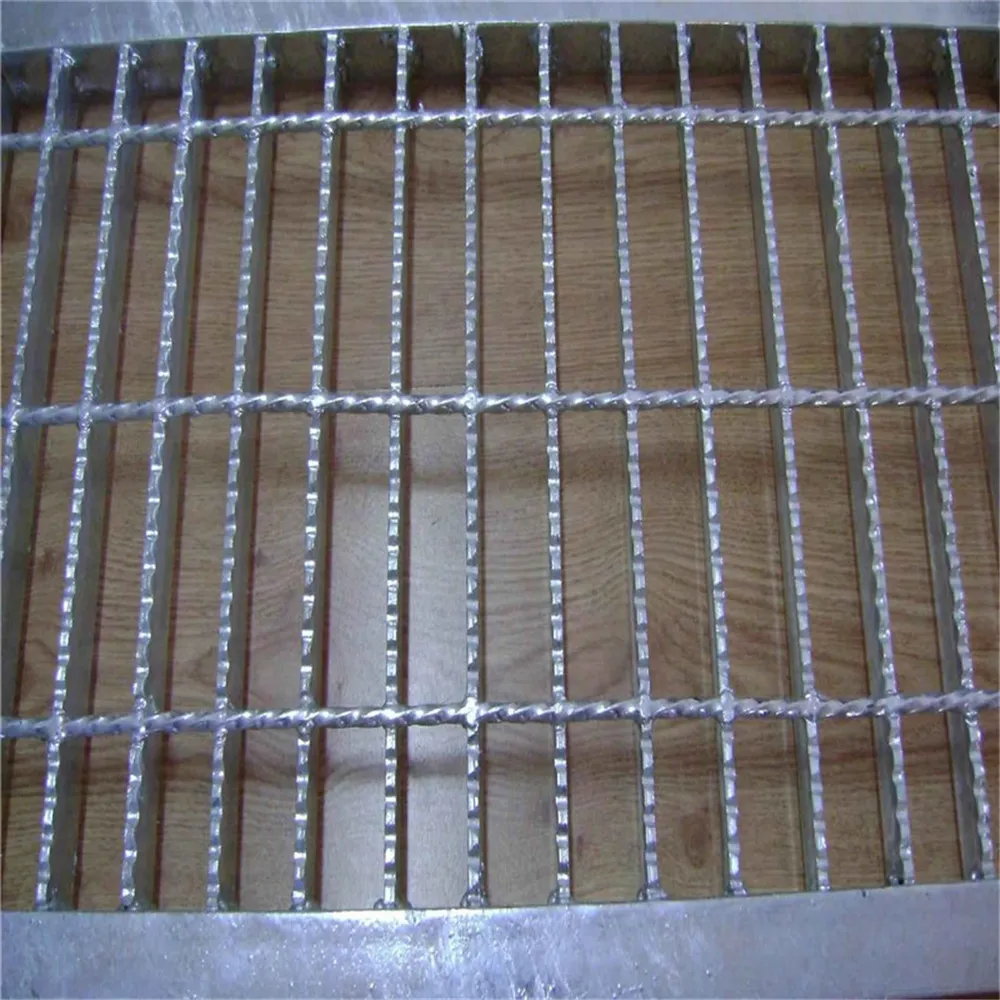
Types of Steel Grating and Their Characteristics
The construction industry utilizes several distinct types of 鉄格子, each designed with particular performance characteristics and applications in mind. The most prevalent varieties include welded metal grating, press-locked grating, and swage-locked grating, all offering unique advantages depending on usage requirements.
Welded 格子 represent the most heavy-duty option, created by electrically fusing bearing bars and cross bars at each intersection. This manufacturing method produces extremely strong panels capable of supporting substantial loads, making them ideal for industrial platforms, mezzanines, and heavy equipment areas. The welding process creates rigid connections that prevent bar movement even under intense vibration or impact loads.
Press-locked 鉄格子 offers a slightly different approach, where bearing bars and cross bars are mechanically joined through a cold-forming process that deforms the metal to create secure connections. This type provides excellent load-bearing capacity with a smoother surface finish, often preferred in architectural applications where appearance matters alongside functionality. Many pedestrian bridges and public infrastructure projects utilize press-locked metal grating for its combination of strength and visual appeal.
Swage-locked 格子 feature a unique construction where cross bars are permanently joined to bearing bars through a swaging process that creates mechanical interlocks without welding. This produces exceptionally clean lines and uniform appearance while maintaining structural integrity. The swage-locking method proves particularly effective in corrosive environments where welded joints might create vulnerability points.
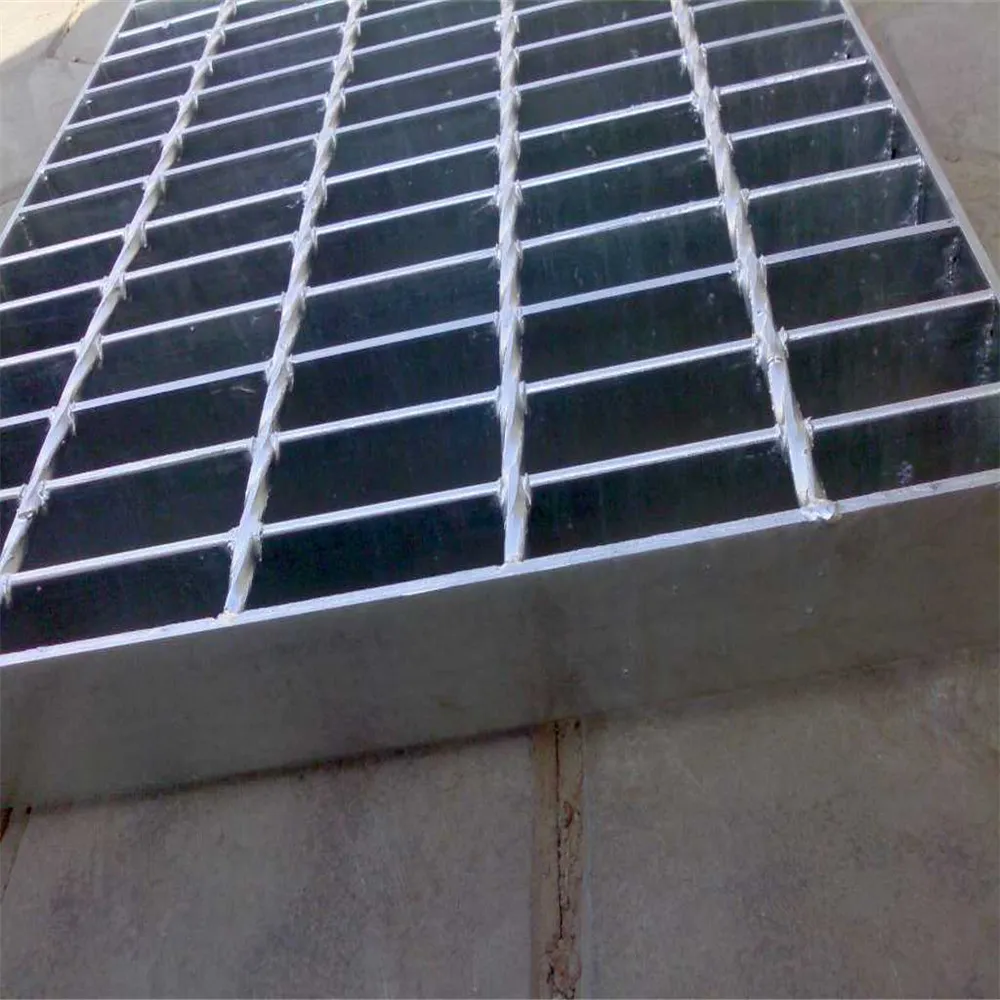
Applications of Metal Grating Systems
Metal grating serves as an essential component in numerous industrial settings, providing safe walking surfaces, equipment platforms, and protective covers that withstand demanding conditions. The oil and gas industry extensively uses heavy-duty 鉄格子 for offshore platforms, refinery walkways, and drilling rig structures where strength, durability, and slip resistance are paramount.
In manufacturing facilities, 格子 create mezzanine floors that maximize vertical space while allowing light and air circulation throughout the workspace. The open grid design facilitates maintenance access to pipes and electrical conduits running beneath elevated work areas.
Architectural and Commercial Uses of Steel Gratings
Beyond industrial applications, 鉄格子 has gained significant popularity in architectural and commercial settings where designers seek to combine functionality with aesthetic appeal. Modern architects frequently incorporate metal grating into building facades, creating visually striking sunscreens that regulate light penetration while maintaining airflow.
Pedestrian bridges and public walkways increasingly utilize 格子 for their combination of strength, slip resistance, and design flexibility. The open grid structure allows rainwater to pass through, eliminating puddling and ice accumulation issues common with solid surfaces. Many urban landscapes feature decorative 鉄格子 patterns that enhance public spaces while providing durable walking surfaces.
Commercial buildings often employ metal grating for stair treads, balcony floors, and rooftop terraces where weight considerations and drainage requirements make traditional materials impractical. The variety of available finishes—from powder-coated colors to natural metal patinas—allows designers to match 格子 to the building's aesthetic theme while ensuring long-term performance.
FAQs About Steel Grating
What factors determine the appropriate steel grating type for a project?
正しい選択 鉄格子 involves evaluating several key factors including expected load requirements, environmental conditions, slip resistance needs, and aesthetic considerations. Engineers typically start by calculating the required load capacity based on intended use, then consider corrosion potential which determines whether standard carbon steel or stainless metal grating is appropriate. The frequency of pedestrian traffic and presence of liquids or oils help determine necessary slip resistance features, while architectural projects may prioritize visual characteristics of the 格子.
How does metal grating compare to alternative flooring materials?
Metal grating offers distinct advantages over concrete, wood, or solid metal flooring in many applications. Unlike concrete, 鉄格子 is lightweight, allows for drainage and ventilation, and can be installed quickly without curing time. Compared to wood, 格子 provide far greater durability, fire resistance, and load capacity. While solid metal plates offer similar strength, they lack the drainage and airflow benefits of open metal grating designs. The modular nature of 鉄格子 also simplifies installation and future modifications.
What maintenance does steel grating require?
Maintenance requirements for 鉄格子 vary by material and environment. Galvanized metal grating in moderate conditions may need only occasional cleaning, while carbon steel 格子 in corrosive environments require regular inspection and protective coating maintenance. Stainless steel versions typically demand the least maintenance, needing only periodic cleaning in most applications. All types benefit from regular debris removal to maintain drainage capabilities and visual inspections for any signs of wear or damage to the bearing bars or cross members.
Can gratings be customized for specific project needs?
Modern manufacturing allows for extensive customization of 鉄格子 to meet precise project requirements. Metal grating can be fabricated in non-standard sizes, with custom bar spacing patterns, and in various metal thicknesses to achieve specific load ratings. Special finishes like powder coating or specialty metals accommodate unique aesthetic or environmental needs.
What safety standards apply to steel grating installations?
鉄格子 installations must comply with relevant safety standards, or equivalent regulations in other countries. Key standards address slip resistance, load capacity, and opening sizes to prevent trip hazards. Industrial metal grating often must meet specific fire codes and structural standards . Architectural 格子 may need to comply with accessibility guidelines regarding surface smoothness and joint clearances. Professional engineers typically specify the appropriate standards for each application.
The diverse range of 鉄格子 products available today offers solutions for virtually every industrial, commercial, and architectural need. From heavy-duty metal grating that supports massive industrial equipment to decorative 格子 that enhance building aesthetics while providing functionality, these systems have become indispensable in modern construction and design.
Understanding the various types of 鉄格子, their manufacturing processes, and ideal applications enables professionals to select the optimal product for each unique situation. The continued innovation in metal grating materials and production techniques promises even more advanced solutions in the future, with developments in coatings, alloys, and fabrication methods expanding the possibilities for these versatile products.
最新ニュース
-
3.0mm Galvanized Chain Link Fence-PVC Coated Mesh- Shijiazhuang Chengsen Trading Co., Ltd.
ニュースMar.17,2026
-
Comprehensive Guide to Finding the Best PVC Corner Bead Supplier
ニュースFeb.24,2026
-
Comprehensive Guide to Render Corner Bead with Mesh for Durable Corners
ニュースFeb.11,2026
-
Comprehensive Guide to PVC Tile Corner Beading for Professional Tiling Results
ニュースJan.30,2026
-
Comprehensive Guide to PVC Corner with Mesh for Enhanced Construction
ニュースJan.27,2026
-
Pvc Corner Strip: Protecting Your Products & Profits
ニュースJan.26,2026
弊社は優秀な CAD 鋼格子図面設計者を擁しており、お客様に完璧な鋼格子レイアウト設計を提供し、お客様の製品に対する特別な要件をよりよく満たすことができます。弊社は「品質第一、お客様第一」という経営理念を堅持し、高品質の製品、リーズナブルな価格、最速の納期で、お客様に全範囲のサービスを心を込めて提供しています。新しいお客様と古いお客様を心から歓迎し、誠実に協力し、一緒に輝きを生み出しましょう。
お問い合わせ
弊社へようこそ!
弊社のサービスにご興味をお持ちいただきありがとうございます。ご質問がある場合やサービスをご予約になりたい場合は、お気軽にお問い合わせください。弊社のチームは、最高レベルのサービスとサポートを提供することに全力を尽くしており、お客様のイベントを成功に導くために全力で取り組んでいます。

サービスメール

サービス電話番号
お問い合わせ
- 電話: +86 +86 15733154345
- メールアドレス: sales@chengsenchina.com
- 住所: B1213 GLOBAL CENTER, NO.226 ZHONGHUA NORTH STREET, SHIJIAHUANG, CHINA


